Understanding yacht insurance is an important part of planning a charter. While guests are not expected to know every detail, knowing the main types of insurance helps create a smoother and safer experience. Charter companies, crews and skippers work with several insurance policies that protect the ... read more
Starlink is becoming one of the most important technologies on modern charter yachts because it brings fast and stable internet to areas where traditional networks fail. On open water, mobile reception usually disappears only a few miles from the coast. Starlink fills this gap by using a low orbit ... read more
The APA, also known as the Advance Provisioning Allowance, is a prepaid budget used during a crewed or luxury yacht charter. It covers all variable costs that are not included in the base charter fee. By paying this allowance before the trip begins, the crew can prepare the yacht completely and mak ... read more
Booking a yacht for a party is easier than many guests expect, but the process differs slightly from reserving a venue on land. Yachts operate with schedules, safety rules and capacity limits that help the crew prepare a smooth and enjoyable event. Understanding the steps makes planning simpler and ... read more
Booking a yacht for a private event follows a more detailed process than a normal leisure trip. Events often involve more guests on deck, more movement and stricter safety requirements. A few essential steps help ensure that the occasion runs smoothly. Every ... read more
The Caribbean is often considered one of the best regions for yachting because it offers a rare combination of reliable winds, short island distances and warm, predictable conditions. These elements shape how travellers experience the region, whether on a relaxed cruise or an island-to-island journ ... read more
The cost of chartering a sailing yacht in Turkey for one week varies widely, because price depends on yacht size, comfort level, season and what is included in the offer. Instead of focusing on a single figure, it is more helpful to understand the range and the factors that shape it.
The terms yacht charter and boat rental are often used interchangeably, yet they describe two different ways of spending time on the water. Understanding the distinction helps travellers choose the option that fits their plans, experience level and expectations.
Whether a boat can be operated without a professional skipper depends entirely on local regulations, the size of the vessel and the experience of the person in charge. Many countries allow experienced guests to operate certain boats on their own, but only under defined legal and safety requirements ... read more
Whether you can charter a yacht for a weekend depends mainly on the type of yacht, the base marina and the scheduling system the vessel operates on. In many destinations, yachts are organised in weekly rotations, which is why weekend trips are possible but not always available at any moment. Unders ... read more
A technical issue on a yacht can sound alarming, but in der maritime practice it is handled with clear procedures. Modern yachts are built with redundancy, safety systems and multiple backup options, which means that most problems can be stabilised quickly and safely. Crews follow a structured app ... read more
Guests on a yacht are usually protected by the operator’s liability or accident insurance. This coverage is part of the vessel’s official requirements and is designed specifically for situations that may occur on board. Guests do not need to purchase a separate policy to be insured while they are o ... read more
A tender is a small support boat that allows guests and crew to move between the yacht and the shore when the main vessel is anchored away from land. It is also used to access places where the yacht cannot safely enter, such as shallow beaches, narrow coves or small harbour steps. Whether a tender ... read more
Harbours and marinas charge a variety of fees when a yacht stays overnight. These costs depend on the yacht’s size, the destination, the season and the services offered. Knowing the basics helps guests understand what is included in a marina bill and why prices vary from place to place. The main e ... read more
A transit log is an official document that records a yacht’s route, crew list and ports of entry. Many countries require it for legal arrival and departure, making it an essential part of formal procedures at sea. Although the process runs in the background for guests, it ensures the yacht travels ... read more
Guests do not need an extensive list of paperwork to join a yacht trip, but a few documents are essential for safety checks, legal registration and border procedures. These documents ensure that the yacht can be cleared officially and that everyone on board is registered correctly with the local au ... read more
Most guests secure their yacht 6 to 9 months in advance, und during peak season many of the best yachts are already booked up to 12 months ahead. Early booking provides the widest selection of boats, preferred departure dates, and access to the most popular marinas. Especially in Mediterranean hots ... read more
Provisioning describes everything related to food, drinks and essential supplies on board. It includes ingredients for meals, snacks, beverages, cleaning items and other daily needs. Guests often wonder what exactly is included, how the process works and whether they need to bring anything themselv ... read more
A deckhand is the core hands-on crew member responsible for the yacht’s exterior areas, practical deck work and general support during the voyage. Even though a deckhand is often one of the junior roles on board, the position is essential for safety, maintenance and smooth daily operations.
Smoking on yachts is possible in some cases, but it is never allowed everywhere on board. Because yachts carry fuel, electrical systems, wind exposure and sensitive equipment, smoking rules follow clear safety considerations rather than personal preference. Most yachts allow smoking only in specif ... read more
Electricity on a yacht works very differently from power at home. A yacht is a self-contained system with limited energy resources, and every electrical device draws from a carefully managed balance of batteries, generator output and shore power. Yachts rely on three main power sources: Shore pow ... read more
Tap water on a yacht is not the same as tap water at home. It comes from onboard storage tanks that are regularly cleaned and refilled but still follow different hygiene conditions than municipal drinking water. Whether it is drinkable depends on the yacht, the tank system and local regulations. W ... read more
The Beaufort scale is an internationally recognised system used to describe wind strength and the way it affects the sea. Developed in the early nineteenth century, it remains an essential tool for captains, weather services and crews because it translates abstract wind numbers into visible effects ... read more
A weather chart may look complicated at first glance, but it is essentially a visual tool that shows how air pressure, wind, temperature and weather fronts are developing. On a yacht, the chart helps the crew understand wind direction, wind strength and any changes that may affect the day’s route. ... read more
Visibility at sea describes how far the crew can clearly see across the water. It is one of the most important factors in navigation because it affects how well the yacht can detect other vessels, land, buoys and any obstacles ahead. Unlike on land, where signs and roads are close by, the sea is wi ... read more
ETA stands for . It describes the calculated arrival time of a yacht at its next destination – whether it is a marina, anchorage, bay or passage point. On board, ETA is a core part of planning because it gives structure to navigation, crew routines and guest expectat ... read more
Every crewed charter yacht carries medical supplies and a trained team capable of handling the most common health situations at sea. While a yacht is not a medical facility, it operates with clear safety protocols that make it possible to manage minor injuries, seasickness, cuts, headaches or sudde ... read more
Itinerary planning is always a shared process between guests and captain. Your personal wishes form the starting point, while the captain evaluates real maritime conditions such as wind, weather patterns, sea state and distances. The aim is a route that feels safe, relaxed and enjoyable without str ... read more
A nautical chart is one of the most important navigational tools on a yacht. Unlike a road map, it does not show streets or cities. Instead, it reveals what lies beneath the surface of the sea, where a yacht can travel safely, and which areas require special attention. It is the foundation for unde ... read more
Whether a boating licence is required depends on the type of charter and the rules of the country where the trip begins. On a crewed yacht – meaning a professional captain and, if applicable, a first mate are on board – guests never need a boating licence. The crew is responsible for navigation, st ... read more
The security deposit is a standard part of most yacht charters and exists to protect the yacht from small, unintentional damages that can happen during normal use. It is not an extra cost. The amount is only blocked on a credit card at check-in and is fully released after the trip, as long as every ... read more
The cost structure of a yacht trip is straightforward when it is explained clearly. A professional crewed charter includes the yacht, crew, insurance and standard equipment, but some running expenses vary depending on routing, weather and guest preferences. Understanding these elements helps guests ... read more
The ideal boat layout depends on how many people are travelling, how much privacy everyone wants and how the group prefers to spend its time. Not every yacht suits every travel style, so it helps to understand what each group typically needs on board. Couples Couples often look for calm surroundi ... read more
You do not need any nautical experience at all when travelling on a crewed yacht. The captain and crew handle every navigational, technical and safety-related task. Guests are not responsible for steering, planning routes or making any maritime decisions. You simply enjoy the journey. Many guests ... read more
A yacht vacation is very suitable for children and often becomes one of their most memorable travel experiences. With a professional crew on board, families are in a safe and well supervised environment where clear routines and friendly guidance create a calm atmosphere. Children do not need any pr ... read more
A mooring buoy is a fixed floating marker anchored to the seabed, allowing boats to secure themselves without using their own anchor. It is commonly used in bays, harbours and marine protected areas where anchoring is restricted or where the seabed needs extra protection. How a mooring buoy works: ... read more
The draft of a yacht describes the vertical distance between the waterline and the lowest point of the hull. It indicates how deeply a vessel sits in the water and how much depth is required to navigate safely. This measurement is essential for choosing routes, approaching harbors and entering shal ... read more
Displacement and planing describe two fundamental ways a yacht moves through the water. Both modes influence speed, comfort, fuel use and the overall feeling on board. Understanding this difference helps guests recognize why some yachts move calmly while others feel fast and energetic. A displacem ... read more
A GPS receiver on a yacht determines the vessel’s position by communicating with a network of satellites that orbit the Earth. These satellites constantly send precise time and position signals. The receiver compares the signals from several satellites at once and calculates the yacht’s exact locat ... read more
AIS stands for Automatic Identification System and is a radio based technology that allows yachts and ships to share their identity and movement with other vessels. The system sends information automatically so that captains can see who is nearby, how vessels move and whether a collision risk exist ... read more
recognizing weather changes at an early stage. Air pressure is a key indicator of whether a high pressure or low pressure system is developing and whether calm weather or unstable conditions are approaching. The principle behind it is simple.
A swing keel is a movable keel system found on certain sailing yachts. Unlike a fixed keel, a swing keel can be raised or lowered with a hydraulic or mechanical system. This allows the yacht to adjust its draft depending on the water depth and the sailing situation. Function and benefit: When the ... read more
Seasickness occurs when the inner ear, eyes and body sense different types of motion. On a yacht, waves create movements that can confuse the balance system and lead to nausea, tiredness or dizziness. Many guests experience mild symptoms, especially on the first day of a trip. With a few simple tec ... read more
A yacht toilet works differently from a household toilet and uses a system designed for life at sea. Instead of relying on gravity, it uses either manual pumping or an electric flushing system to move waste through pipes and into a holding tank. Understanding how it works helps guests use it correc ... read more
Tipping the crew on a yacht is a common and appreciated way to show gratitude for good service. Yacht crews work throughout the trip to ensure comfort, safety and a smooth experience for guests. Understanding the usual tipping customs helps guests feel confident and ensures fairness for the team on ... read more
The terms captain and skipper are often used as if they mean the same thing, but in the maritime world they describe different roles and levels of responsibility. The difference becomes clear when comparing commercial shipping with the recreational and charter boating sector. A captain is the high ... read more
The maximum depth at which a yacht can anchor depends less on the yacht itself and more on the length of the anchor chain and the anchoring technique. A yacht does not anchor with a straight vertical pull. Instead, the chain must lie at a shallow angle so the anchor is pulled horizontally across th ... read more
Seagrass beds are among the most valuable ecosystems in coastal waters, and protecting them is an essential part of responsible boating. These underwater meadows grow slowly, are sensitive to disturbance and play a major role in the health of marine environments. Understanding why seagrass must not ... read more
The noise level of a yacht engine at sea depends on the size of the yacht, the type of engine and how fast the yacht is cruising. For guests, engine sound is an important part of comfort, especially during long passages. Modern yachts are designed to reduce noise, but it is helpful to understand wh ... read more
A logbook is one of the most important documents on a yacht. It serves as the official record of the journey and contains essential information about navigation, weather and daily vessel operations. Both professional captains and experienced skippers rely on the logbook to document every part of th ... read more
Many guests notice that their skin feels dry or tight after swimming in the sea. This sensation is completely normal and is caused by the natural salt content of seawater. Understanding why this happens helps guests take better care of their skin during a yacht trip. Seawater contains a high level ... read more
The ideal wind for a comfortable yacht charter depends on the yacht type, the skipper’s experience and the plans for the day. Most charter regions follow well known ranges from practical seamanship and the Beaufort scale. Motor yachts Motor yachts feel most comfortable in light to moderate wind, ... read more
Mobile phone reception at sea depends mainly on how far the yacht is from the coastline. Mobile networks are designed for land coverage, and their signals only reach a limited distance over the water. Near the coast, reception is often reliable, but the farther the yacht travels into open sea, the ... read more
Anchoring and mooring are two common ways to secure a yacht, but they work in very different ways. Understanding the difference helps guests know why the skipper chooses one method over the other in different bays and harbours. Anchoring means dropping the yacht’s anchor directly onto the seabed. ... read more
Using a drone during a yacht charter is possible and often produces spectacular footage of the yacht, coastline and clear water. However, drone flights at sea come with specific rules, technical risks and safety considerations. Guests should understand the challenges before launching a drone from a ... read more
Colours often look more intense, clearer or completely different when you are out at sea. This effect is created by the way water absorbs and reflects light, how the atmosphere behaves over the ocean and how our eyes interpret colours without familiar reference points.
Sunlight glares more strongly on the water because the sea reflects light much more efficiently than land. Water behaves like a natural mirror, especially when the sun is low in the sky. Instead of scattering light in many directions like soil, roads or vegetation, the sea reflects light directly t ... read more
Waves often feel calming when you are out on the sea because their rhythm, movement and sound create a natural form of relaxation. Many guests notice that they feel more peaceful on the water, and this effect has both physical and psychological reasons. Rhythmic movement of the sea: Waves move in ... read more
The blue hour is the quiet transition between day and night, a moment when the sun has slipped below the horizon yet its light still lingers in the sky. At sea, this shift feels stronger because the open view allows every colour and reflection to unfold without interruption. How light shapes the b ... read more
Time often feels different when you spend a day on the water. Many guests describe hours that move more slowly or more quickly than expected. This shift begins as soon as the yacht leaves the harbour and the familiar rhythm of daily life becomes distant. The open horizon, gentle movement of the boa ... read more
Many people notice that they sleep more deeply on the water than they do on land. This effect comes from a combination of natural elements such as movement, sound, air quality and a generally calmer environment. Together, these factors influence how the body prepares for and maintains sleep.
The words bow and stern refer to the front and back of a yacht. They are among the most basic orientation points on board and help describe where things are located and how the boat is positioned on the water. Understanding these terms makes communication clearer and supports a better sense of dire ... read more
Fenders are protective cushions placed along the sides of a yacht to prevent damage when the boat comes close to another surface. They act as a soft barrier between the hull and anything the yacht might touch, such as a pier, another boat or a harbour wall. Even gentle contact can mark or scratch t ... read more
The term below deck refers to all interior areas of a yacht located beneath the main deck level. It describes the enclosed spaces that offer shelter from wind, weather and the movement of the sea. When you step down a few stairs through a hatch or door, you enter the part of the vessel that is cons ... read more
Standing rigging refers to all fixed cables that hold the mast securely in place. These elements remain under constant tension and are not adjusted during normal sailing. Their main task is to stabilise the mast from all directions so it can carry the loads produced by wind and sails. Typical compo ... read more
A thunderstorm at sea can feel intense, and the open horizon makes every change in the sky appear immediate. Staying calm and knowing a few basic principles helps manage the situation safely. Most steps are straightforward and aim to reduce exposure while allowing the skipper to keep control of the ... read more
Red and green lights are essential navigation signals used at sea at night. They make it possible to understand where another vessel is positioned and which direction it is moving, even when visibility is limited. These lights form part of an international system designed to keep traffic on the wat ... read more
Radio communication is one of the main ways vessels share information at sea. It creates a reliable link between boats, harbours and rescue services, even when other forms of communication are unavailable. Because conditions on the water can shift quickly, the radio provides a steady method for pas ... read more
A medical emergency at sea feels different from one on land because help may not be immediately nearby. Even so, most situations can be managed calmly when a few clear steps are followed. The focus is always on staying composed, assessing the situation and using the resources available on the vesse ... read more
Whether a yacht carries a defibrillator depends largely on the size of the vessel, its purpose and the type of equipment it carries. On many larger yachts, especially those operated with professional crew, an automated external defibrillator (AED) has become part of the regular medical equipment. A ... read more
Dolphins are known for approaching moving boats, and many people discover this behaviour for the first time while travelling at sea. Although it looks playful, several natural reasons explain why dolphins choose to swim near the bow or alongside a vessel. Their behaviour is shaped by curiosity, soc ... read more
Sea turtles appear more often in certain parts of the world because the surrounding waters offer exactly what they need to feed, migrate and rest. These regions provide the right temperature, the right food sources and a stable environment that supports both young and adult turtles. When travelling ... read more
Marine reserves are protected sea areas designed to preserve delicate marine habitats. They safeguard natural biodiversity ranging from seagrass meadows to coral structures and from sea turtles to entire fish populations. Because conservation has priority, visitors enter these areas as careful obse ... read more
Many conventional sunscreens contain chemical UV filters that are safe for humans but harmful once they enter the sea. Ingredients such as oxybenzone, octinoxate, octocrylene and homosalate are known to affect corals and a wide range of marine organisms. Even very small amounts washed off in the wa ... read more
Walking barefoot on a yacht is common and often feels natural. Many guests enjoy the relaxed atmosphere and the direct contact with the deck. It is part of the maritime mood of being at sea. However, whether it is truly safe depends on the type of yacht, the sea conditions and your own balance. Bar ... read more
Many yachts prohibit shoes with black soles, and the rule exists for practical and protective reasons. Yacht decks are made from materials that are sensitive to abrasion, heat and staining. Black soles leave marks more easily than light coloured materials, and these marks can be difficult or someti ... read more
The engine room of a yacht is a technical workspace that follows strict safety rules. It is not a general living area and should only be entered by guests if the captain specifically invites them to do so. Under normal conditions, this part of the yacht is reserved for crew members who are trained ... read more
Hard suitcases can be surprisingly difficult to manage on a yacht. Unlike hotel rooms, yacht cabins are designed around curved walls, built in storage and compact layouts that make the best use of limited space. Every centimetre matters, and rigid luggage simply does not adapt to these tight and ir ... read more
Storage on a yacht works very differently from a hotel room. Space is compact, cleverly arranged and often built into the structure of the boat. Personal luggage is stored so that nothing blocks movement and everything fits neatly into the available compartments. The general rule on board is simple ... read more
Whether you can wash laundry on a yacht depends largely on the size and equipment of the vessel. Smaller sailing yachts rarely have washing machines, while large charter yachts and superyachts often provide proper laundry facilities. Knowing what to expect helps guests plan their clothing and avoid ... read more
A nautical mile is a distance unit used worldwide in navigation at sea and in aviation. It measures 1.852 metres, and unlike kilometres or land miles, it is directly linked to the geometry of the Earth. One nautical mile represents the distance of one minute of latitude, which makes it perfectly al ... read more
A bow thruster is a sideways propulsion system built into the front section of a yacht. It allows the bow to move left or right without the vessel needing to gain forward or reverse speed. This makes manoeuvring in tight harbours, strong crosswinds or narrow fairways far easier. What looks like a y ... read more
Heeling is the term used to describe the sideways tilt of a sailing yacht when wind pushes against the sails. This lean is a normal and expected part of sailing, and understanding it helps explain why a yacht behaves the way it does as the wind increases. Why a yacht heels in the first place: Whe ... read more
Windward and leeward describe how a yacht relates to the wind. The basic meaning is simple: Windward: the side of the yacht facing into the wind Leeward: the side sheltered from the wind, away from the breeze Wind arrives from windward and flows toward leeward These terms apply whether the yach ... read more
Tacking is a sailing manoeuvre that allows a yacht to move upwind, even though it cannot sail directly into the wind. Instead of heading straight toward the breeze, the yacht progresses in a series of angled courses, which together create steady forward movement. How tacking works: A sailing yach ... read more
Launching a boat means moving it from land into the water in a controlled and safe way. Marinas and boatyards use different methods depending on the size of the vessel, the location and the equipment available. The aim is always the same: to support the hull securely and guide the boat smoothly int ... read more
On a yacht, the deck and the cockpit may appear to belong to the same outdoor space, but they serve very different purposes. Understanding this difference helps guests orient themselves on board and reveals how the yacht’s topside is designed for both relaxation and control.
A mainsail halyard is the line used to raise and lower the mainsail on a sailing yacht. It runs from the top of the mast down to the deck and connects directly to the head of the sail. Without this line, the mainsail cannot be hoisted, adjusted or secured in place. When you pull the halyard, the s ... read more
Life jackets are an essential part of safety on every yacht, whether it is a motor yacht or a sailing yacht. The moments when you need to wear one depend on the weather, the location, your swimming ability and the judgement of the captain. On large crewed yachts, guests rarely wear life jackets con ... read more
A man overboard situation is one of the most critical emergencies at sea. Even in calm conditions, reaction time and clear roles are crucial. The safety of the person in the water depends on how schnell and coordinated the crew acts. The classic sequ ... read more
A lifeline is a safety line designed to prevent people from falling overboard. When you are connected to a lifeline, you can move around the deck while staying safely attached to the yacht. It is an essential safety tool, especially at night, in rough conditions or during demanding deck work. The ... read more
Swimming from a yacht is one of the most enjoyable moments at sea, but it must happen under the right conditions. The decision is never spontaneous. It depends on safety, local rules and the skipper’s judgement of wind, current and traffic around the boat. A yacht must always be fully stopped befo ... read more
Hand signals are an essential part of communication at sea. They support spoken commands and radio messages, and they become especially important when wind, engine noise or distance makes verbal communication difficult. During docking, anchoring or line handling, they allow the skipper and crew to ... read more
The first mate, also called chief officer or deck officer depending on yacht size, is the second most responsible person on board after the captain. On many yachts the role is a blend of navigation support, safety coordination and deck organisation. Guests often notice the first mate during mooring ... read more
Showering on a yacht works a little differently than at home, but it is designed to be comfortable and easy for guests. Every yacht has designated shower areas, either inside the cabins or on deck, depending on the size and layout of the vessel. Indoor bathrooms in the cabins Most yachts have pri ... read more
The ideal weather for a yacht trip is a balance of warm temperatures, moderate wind and calm sea conditions. Weather affects not only safety but also comfort, swimming opportunities, anchoring plans and the overall atmosphere on board. This is why the captain and crew monitor forecasts, air pressur ... read more
A chart plotter is an electronic navigation device that shows the yacht’s exact position on a digital nautical chart in real time. It is one of the most important tools on board because it combines GPS accuracy with clear visual guidance. Even though paper charts are still used as a backup, the plo ... read more
The question of liability is important for many guests because they want to know whether they could be personally responsible if something gets damaged during the trip. On a crewed charter yacht the main responsibility for operation steering and navigation lies with the captain and with the yacht o ... read more
Skipper liability insurance is a specialised form of coverage that protects the person who commands and operates a yacht against financial claims arising from mistakes made while handling the vessel. It is relevant in situations where the skipper is legally responsible for navigating the yacht whet ... read more
Anchoring is one of the highlights of a yacht trip. Peaceful bays clear water and the freedom to stop wherever the scenery feels right create some of the best moments at sea. But in reality yachts are not allowed to anchor everywhere because most countries have strict rules that protect the seabed ... read more
Booking a yacht with a professional crew is a guided and well organised process. Guests do not simply rent a vessel. Instead, they book a complete experience where the captain and crew are involved from the very first step. The goal is to ensure clarity comfort and a smooth start into the journey. ... read more
Classic coastal WiFi does not work on the open sea. Once a yacht moves 5 to 20 kilometers away from land, normal mobile networks lose signal. Because of that, yachts use alternative systems to stay online. The most reliable solution today is satellite internet. Modern yachts use services such as S ... read more
Port and starboard are internationally recognized terms used to describe the left and right sides of a boat or yacht. They always refer to the vessel’s perspective when looking forward toward the bow. Port is the left side and starboard is the right side. These fixed definitions make communication ... read more
Speed at sea is traditionally measured in knots. One knot equals one nautical mile per hour. A nautical mile is longer than a kilometer and measures exactly 1.852 km. This leads to the simple conversion: 1 knot = 1.852 km/h With this value, knot speeds are easy to convert. 5 knots ≈ 9.26 km/h 1 ... read more
The booking process for a yacht charter follows a clear structure that helps guests understand every step from the first inquiry to the moment they step on board. Many guests are surprised at how transparent and simple the process becomes once each phase is explained. No matter the destination or y ... read more
A winch is a simple yet powerful mechanical tool used on many sailing yachts to help handle ropes that carry significant tension. It multiplies the force applied by hand, making it possible to tighten or ease a line without excessive physical effort. Even people with little strength can guide a loa ... read more
High and low pressure systems shape nearly all weather at sea. Even if the terms sound technical, their effects are easy to understand once you know how they behave. For yacht guests, these systems explain why some days feel calm and sunny while others bring more wind or changing conditions. A hig ... read more
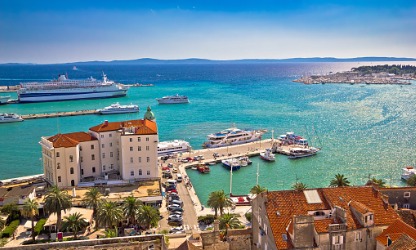
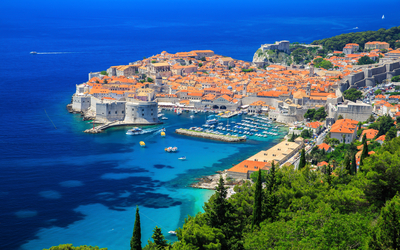
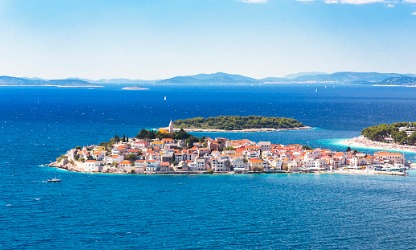
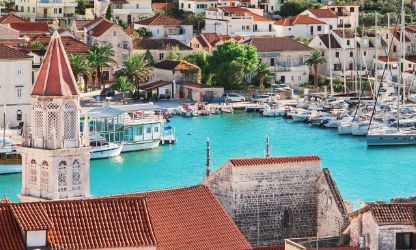
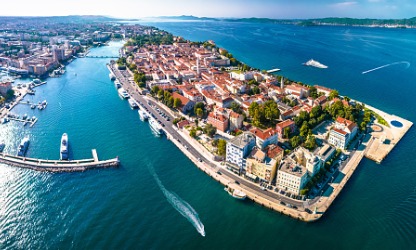
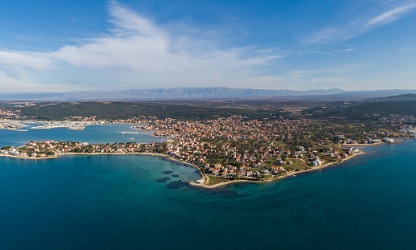
Discover the unparalleled beauty of the Croatian coast with our exclusive yacht charter service. From picturesque fishing villages to vibrant coastal cities, Croatia offers a variety of destinations waiting to be explored. Our top-notch sailing yachts are ready for your unforgettable sailing adventure, whether on an elegant sailboat or a luxurious motorboat. Experience the freedom of the sea and the fascinating history along the Adriatic coast with our premium yacht charter in Croatia. Hire a yacht in Croatia-Hire a boat from Split-Discover Croatia with a catamaran charter
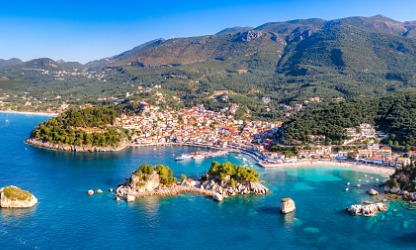
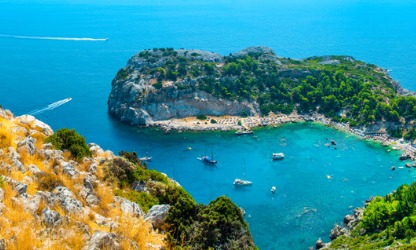
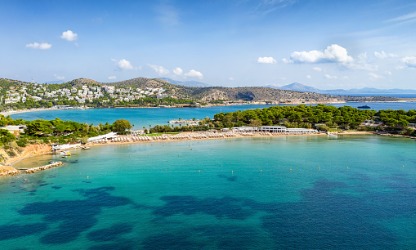
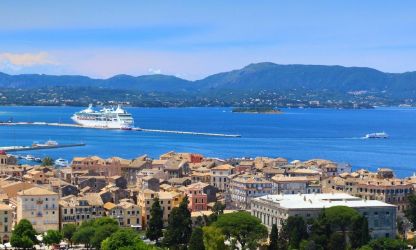
Experience the ultimate sailing adventure with our yacht charter service in Greece. Dive into the turquoise waters of the Aegean and discover the countless islands and bays that this fascinating country has to offer. From luxurious catamarans to classic sailing ships, our fleet of high-quality luxury yachts is ready for you. Enjoy unforgettable moments on board as you experience the beauty and charm of Greece from the water.-Request a yacht charter in Greece -Hire a catamaran and explore Greece
Your dream holiday begins with the organisation of your yacht charter and consists of finding the perfect offer for you, whether motor yacht, sailing yacht, catamaran or gulet, we offer you a large selection that meets your wishes and ideas. Discover your dream yacht for yourself on our portal! We will also be happy to advise you and recommend the ideal yacht charter for your needs. If the yacht of your dreams is not listed on the website, we also have other alternative offers. Due to the large number of sailing yachts, motorboats and catamarans, we can only offer a fraction of the charter yachts we offer online.
In order to find the ideal yacht for you, we only need the most important factors such as the size of your travel group, your approximate budget, your preferred destination and the desired travel time. We will then send you a suitable selection of yacht charters and fulfill your wishes so that you can embark on your dream trip. Enjoy unforgettable experiences on your luxury yacht charter holiday, tailor-made for you at Best Choice Yachting.
At Best Choice Yachting - Yachtvermietung, our goal is to exceed our customers' expectations. The experiences of our delighted customers last a lifetime. You are welcome to read some of our customers' reviews. Yachts are our passion and we have made this passion our job. That is why we are convinced that we can offer you the best luxury yacht charter experience in various countries.






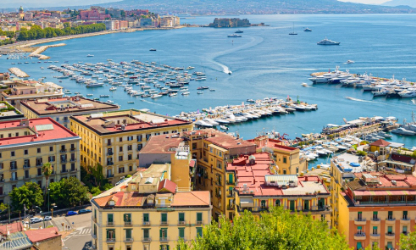



 United Arab Emirates
 Spain
Spain France
 Greece
 Croatia
 Italy
Italy Monaco
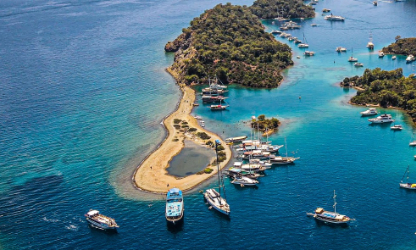
 Turkey
 Montenegro