AIS stands for Automatic Identification System and is a radio based technology that allows yachts and ships to share their identity and movement with other vessels. The system sends information automatically so that captains can see who is nearby, how vessels move and whether a collision risk exists. AIS has become one of the most important safety elements in modern navigation.
An AIS unit on a yacht broadcasts information at regular intervals. At the same time, it receives signals from surrounding vessels and displays them on the navigation screen. This makes the traffic situation easier to understand, even when visibility is limited. AIS typically shares several key details.
These signals are sent via VHF radio and can be received by nearby yachts as well as coastal stations. Many maritime services and apps can display this information in real time, which is why ships can often be tracked live on platforms such as MarineTraffic.
AIS is particularly valuable in situations that require clear awareness.
There are two main classes of AIS. Class A is used by commercial ships and transmits with higher power. Class B is used on pleasure yachts and private boats and provides the essential information needed for recreational navigation.
Although AIS is a powerful safety tool, it does not replace radar. Radar can detect all objects in the area, including vessels that do not transmit AIS. Captains use both systems together to build a complete picture of the surroundings.
For guests, AIS is interesting because it reveals the movement of other boats in real time. For the crew, it is an essential part of navigation that increases safety, improves communication and supports confident decision making on the water.
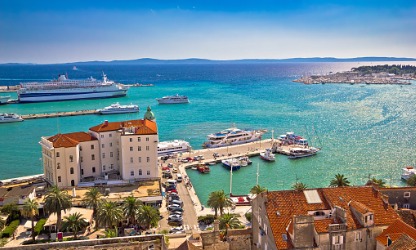
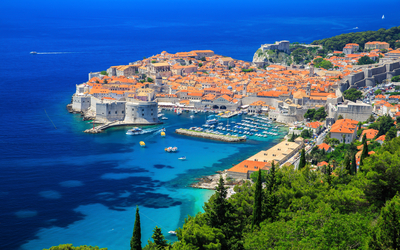
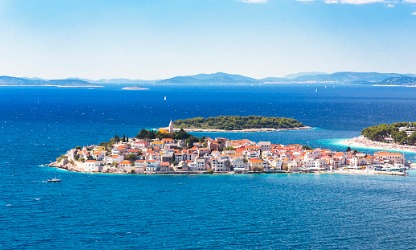
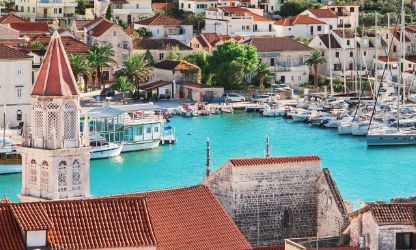
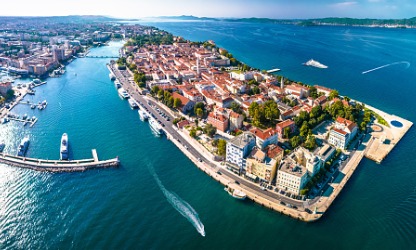
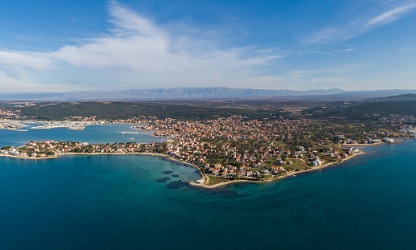
Discover the unparalleled beauty of the Croatian coast with our exclusive yacht charter service. From picturesque fishing villages to vibrant coastal cities, Croatia offers a variety of destinations waiting to be explored. Our top-notch sailing yachts are ready for your unforgettable sailing adventure, whether on an elegant sailboat or a luxurious motorboat. Experience the freedom of the sea and the fascinating history along the Adriatic coast with our premium yacht charter in Croatia. Hire a yacht in Croatia-Hire a boat from Split-Discover Croatia with a catamaran charter
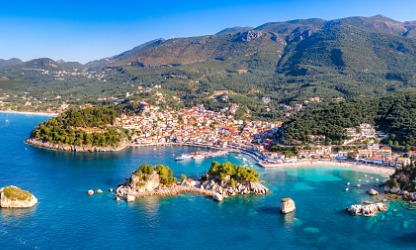
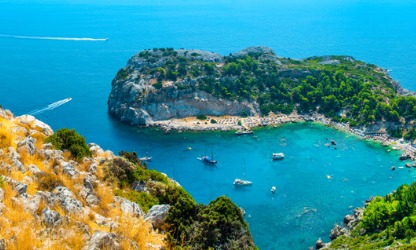
Experience the ultimate sailing adventure with our yacht charter service in Greece. Dive into the turquoise waters of the Aegean and discover the countless islands and bays that this fascinating country has to offer. From luxurious catamarans to classic sailing ships, our fleet of high-quality luxury yachts is ready for you. Enjoy unforgettable moments on board as you experience the beauty and charm of Greece from the water.-Request a yacht charter in Greece -Hire a catamaran and explore Greece
Your dream holiday begins with the organisation of your yacht charter and consists of finding the perfect offer for you, whether motor yacht, sailing yacht, catamaran or gulet, we offer you a large selection that meets your wishes and ideas. Discover your dream yacht for yourself on our portal! We will also be happy to advise you and recommend the ideal yacht charter for your needs. If the yacht of your dreams is not listed on the website, we also have other alternative offers. Due to the large number of sailing yachts, motorboats and catamarans, we can only offer a fraction of the charter yachts we offer online.
In order to find the ideal yacht for you, we only need the most important factors such as the size of your travel group, your approximate budget, your preferred destination and the desired travel time. We will then send you a suitable selection of yacht charters and fulfill your wishes so that you can embark on your dream trip. Enjoy unforgettable experiences on your luxury yacht charter holiday, tailor-made for you at Best Choice Yachting.
At Best Choice Yachting - Yachtvermietung, our goal is to exceed our customers' expectations. The experiences of our delighted customers last a lifetime. You are welcome to read some of our customers' reviews. Yachts are our passion and we have made this passion our job. That is why we are convinced that we can offer you the best luxury yacht charter experience in various countries.








 United Arab Emirates
 Spain
Spain France
 Greece
 Croatia
 Italy
Italy Monaco
 Turkey
 Montenegro