Displacement and planing describe two fundamental ways a yacht moves through the water. Both modes influence speed, comfort, fuel use and the overall feeling on board. Understanding this difference helps guests recognize why some yachts move calmly while others feel fast and energetic.
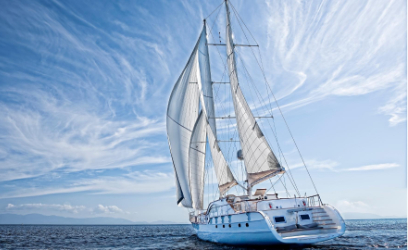
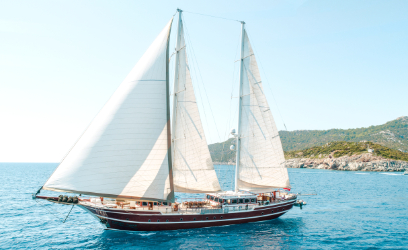
A displacement yacht moves by pushing water aside. The hull remains fully in the water and creates a smooth, steady motion. This style is common on traditional sailing yachts, heavier motor yachts and larger vessels. Displacement movement is known for several advantages.
Displacement hulls have a natural speed limit known as hull speed. It depends on the length of the yacht and explains why these vessels rarely reach very high speeds.
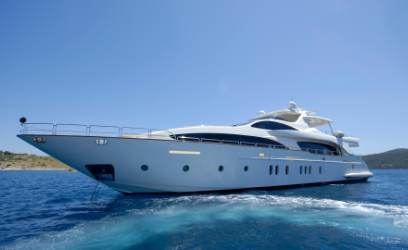
A planing yacht behaves differently. Once it reaches the right speed, part of the hull rises out of the water. Instead of moving through the water, the yacht glides over its surface. This greatly reduces resistance and allows much faster travel. Planing movement is typical for modern motor yachts, sport boats, tenders and personal watercraft.
Planing yachts offer clear benefits.
They also come with some trade offs.
In practice, displacement suits days with wind and waves where comfort is important. Planing suits short day trips, coastal runs and situations where speed is desired. Many modern yachts can operate in both modes. They begin in displacement and shift into planing once the engines reach enough power. Guests notice this change immediately as the bow rises slightly, the yacht levels out and the speed increases.
Understanding the difference between displacement and planing helps guests interpret how a yacht will feel. It explains whether the ride will be soft or energetic, efficient or performance focused, and why the captain chooses specific speeds for comfort and safety.
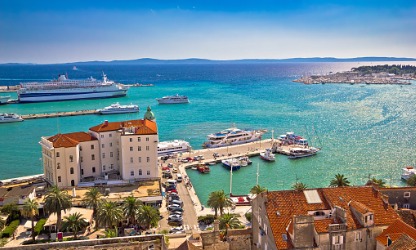
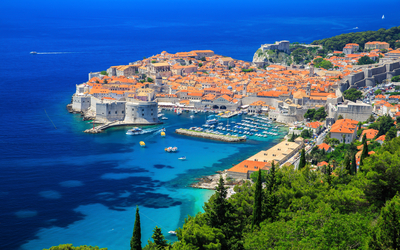
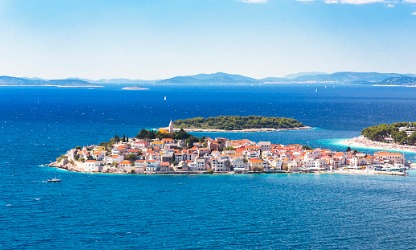
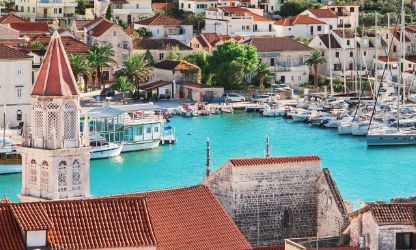
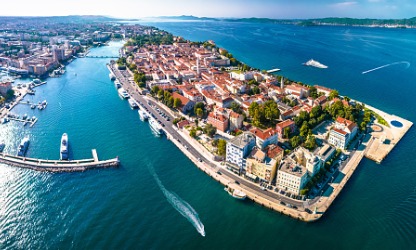
Discover the unparalleled beauty of the Croatian coast with our exclusive yacht charter service. From picturesque fishing villages to vibrant coastal cities, Croatia offers a variety of destinations waiting to be explored. Our top-notch sailing yachts are ready for your unforgettable sailing adventure, whether on an elegant sailboat or a luxurious motorboat. Experience the freedom of the sea and the fascinating history along the Adriatic coast with our premium yacht charter in Croatia. Hire a yacht in Croatia-Hire a boat from Split-Discover Croatia with a catamaran charter
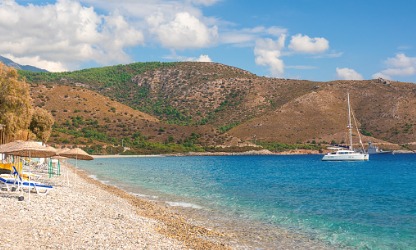
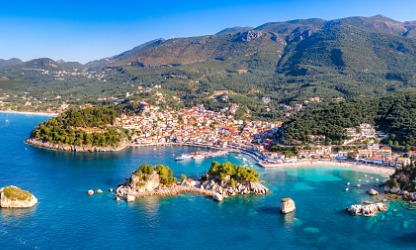
Experience the ultimate sailing adventure with our yacht charter service in Greece. Dive into the turquoise waters of the Aegean and discover the countless islands and bays that this fascinating country has to offer. From luxurious catamarans to classic sailing ships, our fleet of high-quality luxury yachts is ready for you. Enjoy unforgettable moments on board as you experience the beauty and charm of Greece from the water.-Request a yacht charter in Greece -Hire a catamaran and explore Greece
Your dream holiday begins with the organisation of your yacht charter and consists of finding the perfect offer for you, whether motor yacht, sailing yacht, catamaran or gulet, we offer you a large selection that meets your wishes and ideas. Discover your dream yacht for yourself on our portal! We will also be happy to advise you and recommend the ideal yacht charter for your needs. If the yacht of your dreams is not listed on the website, we also have other alternative offers. Due to the large number of sailing yachts, motorboats and catamarans, we can only offer a fraction of the charter yachts we offer online.
In order to find the ideal yacht for you, we only need the most important factors such as the size of your travel group, your approximate budget, your preferred destination and the desired travel time. We will then send you a suitable selection of yacht charters and fulfill your wishes so that you can embark on your dream trip. Enjoy unforgettable experiences on your luxury yacht charter holiday, tailor-made for you at Best Choice Yachting.
At Best Choice Yachting - Yachtvermietung, our goal is to exceed our customers' expectations. The experiences of our delighted customers last a lifetime. You are welcome to read some of our customers' reviews. Yachts are our passion and we have made this passion our job. That is why we are convinced that we can offer you the best luxury yacht charter experience in various countries.





 United Arab Emirates
 Spain
Spain France
 Greece
 Croatia
 Italy
Italy Monaco
 Turkey
 Montenegro