Colours often look more intense, clearer or completely different when you are out at sea. This effect is created by the way water absorbs and reflects light, how the atmosphere behaves over the ocean and how our eyes interpret colours without familiar reference points.
Water absorbs light unevenly. Warm colours like red and yellow disappear quickly beneath the surface, while blue and green remain stronger and travel deeper. This is why the sea appears blue or turquoise even when the sky is cloudy. The deeper the water, the darker and richer the tones become.
The sea acts like a mirror. Its colour changes depending on the sky above:
Even tiny waves form countless small prisms. These micro surfaces bend and scatter light in different directions. This gives colours more depth, variation and a shimmering effect that you rarely see on land.
Above the sea, there is far less dust and pollution than in cities or inland regions. Light travels through cleaner air, especially at sunrise and sunset. This creates sharper contrasts and more intense colours, making skies appear brighter and the sea surface more vibrant.
At sea, familiar colour references such as trees, roads or buildings are missing. Your eyes adjust to an open horizon with stronger sunlight and fewer shadows. This changes how contrast and brightness are perceived:
Water reflects polarised light, which alters colour perception. With polarising sunglasses, colours appear more defined and less glaring. Salt particles in the air also scatter light, softening some tones and enhancing others.
All these effects combine to create a colour world that is richer, cleaner and more dynamic than on land. Many guests describe the colours at sea as more emotional and almost surreal, as if seeing the world through a clearer filter.
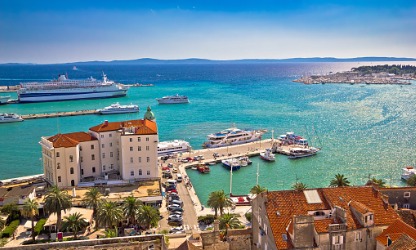
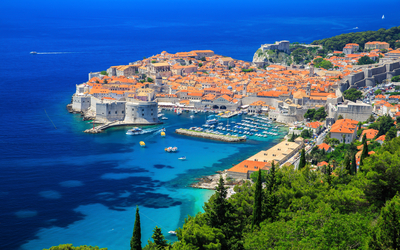
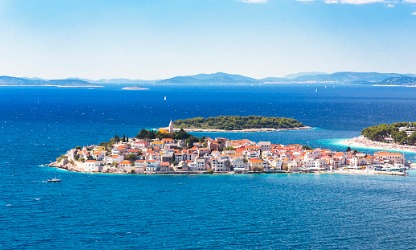
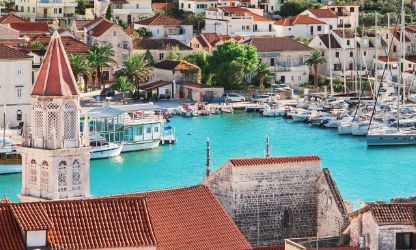
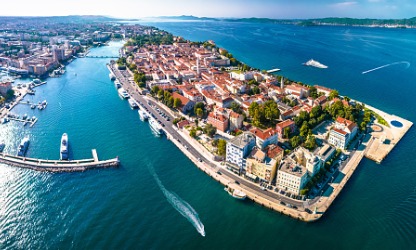
Discover the unparalleled beauty of the Croatian coast with our exclusive yacht charter service. From picturesque fishing villages to vibrant coastal cities, Croatia offers a variety of destinations waiting to be explored. Our top-notch sailing yachts are ready for your unforgettable sailing adventure, whether on an elegant sailboat or a luxurious motorboat. Experience the freedom of the sea and the fascinating history along the Adriatic coast with our premium yacht charter in Croatia. Hire a yacht in Croatia-Hire a boat from Split-Discover Croatia with a catamaran charter
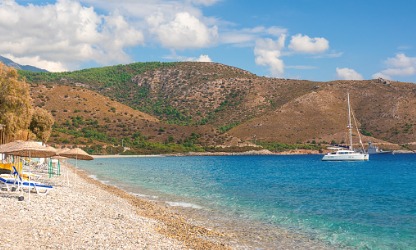
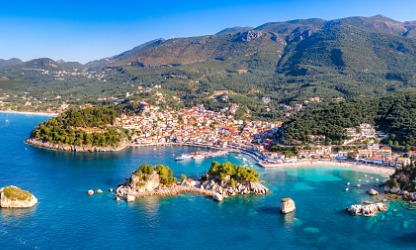
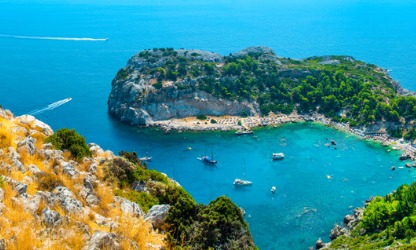
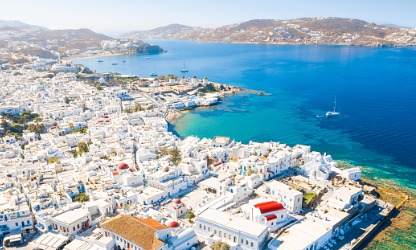
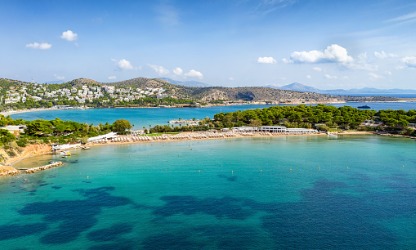
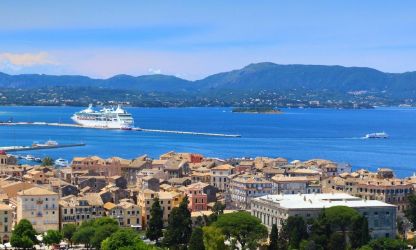
Experience the ultimate sailing adventure with our yacht charter service in Greece. Dive into the turquoise waters of the Aegean and discover the countless islands and bays that this fascinating country has to offer. From luxurious catamarans to classic sailing ships, our fleet of high-quality luxury yachts is ready for you. Enjoy unforgettable moments on board as you experience the beauty and charm of Greece from the water.-Request a yacht charter in Greece -Hire a catamaran and explore Greece
Your dream holiday begins with the organisation of your yacht charter and consists of finding the perfect offer for you, whether motor yacht, sailing yacht, catamaran or gulet, we offer you a large selection that meets your wishes and ideas. Discover your dream yacht for yourself on our portal! We will also be happy to advise you and recommend the ideal yacht charter for your needs. If the yacht of your dreams is not listed on the website, we also have other alternative offers. Due to the large number of sailing yachts, motorboats and catamarans, we can only offer a fraction of the charter yachts we offer online.
In order to find the ideal yacht for you, we only need the most important factors such as the size of your travel group, your approximate budget, your preferred destination and the desired travel time. We will then send you a suitable selection of yacht charters and fulfill your wishes so that you can embark on your dream trip. Enjoy unforgettable experiences on your luxury yacht charter holiday, tailor-made for you at Best Choice Yachting.
At Best Choice Yachting - Yachtvermietung, our goal is to exceed our customers' expectations. The experiences of our delighted customers last a lifetime. You are welcome to read some of our customers' reviews. Yachts are our passion and we have made this passion our job. That is why we are convinced that we can offer you the best luxury yacht charter experience in various countries.





 United Arab Emirates
 Spain
Spain France
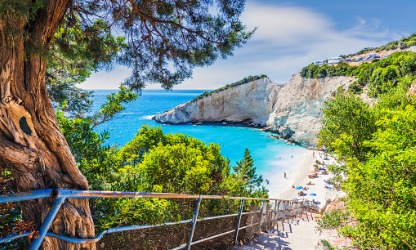
 Greece
 Croatia
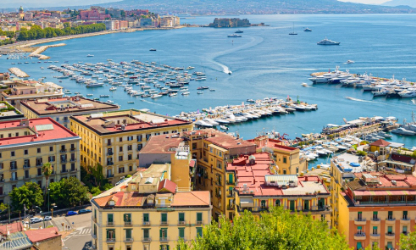
 Italy
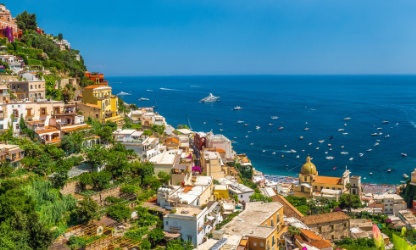
Italy Monaco
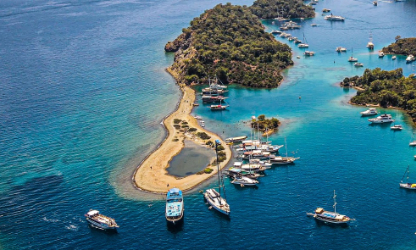
 Turkey
 Montenegro