Seasickness occurs when the inner ear, eyes and body sense different types of motion. On a yacht, waves create movements that can confuse the balance system and lead to nausea, tiredness or dizziness. Many guests experience mild symptoms, especially on the first day of a trip. With a few simple techniques, seasickness can often be prevented or reduced.
Seasickness usually begins with one or more of the following signs.
• Light dizziness
• Mild nausea
• Tiredness or yawning
• Cold sweats
• Loss of appetite
There are several ways to reduce discomfort and prevent symptoms from getting stronger.
• Stay outside in fresh air
• Look at the horizon to stabilise visual balance
• Choose a seat near the centre of the yacht where movement is calmer
• Avoid reading or looking down for long periods
• Drink water regularly
• Eat small, light meals instead of heavy food
Many guests feel better when they lie down for a short time or take a slow walk on deck to reset their sense of balance.
Several gentle remedies can support the body during motion.
• Ginger in the form of tea, capsules or sweets
• Acupressure wristbands
• Herbal calming tablets
• Over the counter motion sickness medication when needed
Medication should be taken before symptoms become strong, especially for guests who know they are sensitive to movement.
The crew understands how seasickness affects guests and can choose calmer routes, adjust speed or recommend the best spot on board. Modern yachts also have stabilisers that reduce rolling and create a more comfortable feeling at sea.
Some habits can make seasickness stronger.
• Heavy or oily meals
• Alcohol
• Staying inside without ventilation
• Staring at screens or reading for long periods
Seasickness usually improves after a short time as the body adapts to the movement of the yacht. Most guests feel significantly better after the first day. Understanding these simple methods helps prevent discomfort and ensures a more relaxed and enjoyable yacht experience.
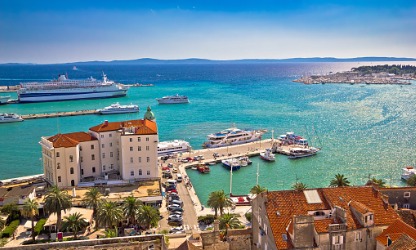
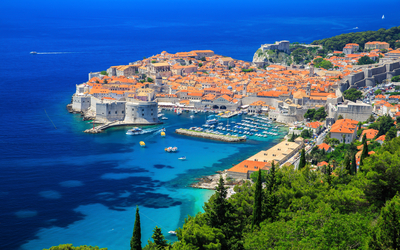
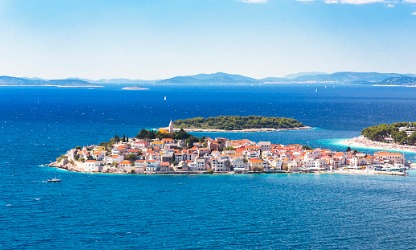
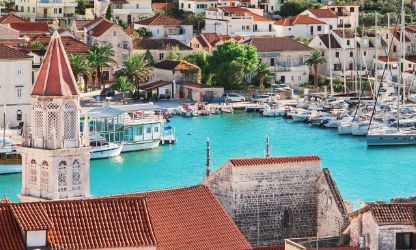
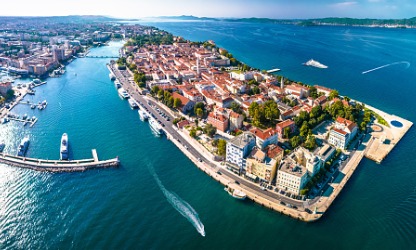
Discover the unparalleled beauty of the Croatian coast with our exclusive yacht charter service. From picturesque fishing villages to vibrant coastal cities, Croatia offers a variety of destinations waiting to be explored. Our top-notch sailing yachts are ready for your unforgettable sailing adventure, whether on an elegant sailboat or a luxurious motorboat. Experience the freedom of the sea and the fascinating history along the Adriatic coast with our premium yacht charter in Croatia. Hire a yacht in Croatia-Hire a boat from Split-Discover Croatia with a catamaran charter
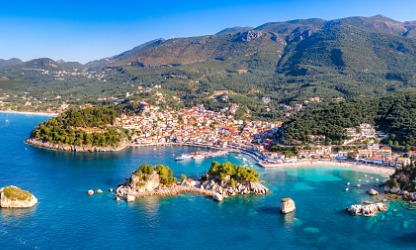
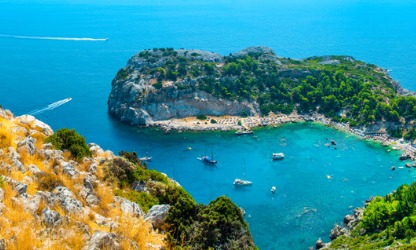
Experience the ultimate sailing adventure with our yacht charter service in Greece. Dive into the turquoise waters of the Aegean and discover the countless islands and bays that this fascinating country has to offer. From luxurious catamarans to classic sailing ships, our fleet of high-quality luxury yachts is ready for you. Enjoy unforgettable moments on board as you experience the beauty and charm of Greece from the water.-Request a yacht charter in Greece -Hire a catamaran and explore Greece
Your dream holiday begins with the organisation of your yacht charter and consists of finding the perfect offer for you, whether motor yacht, sailing yacht, catamaran or gulet, we offer you a large selection that meets your wishes and ideas. Discover your dream yacht for yourself on our portal! We will also be happy to advise you and recommend the ideal yacht charter for your needs. If the yacht of your dreams is not listed on the website, we also have other alternative offers. Due to the large number of sailing yachts, motorboats and catamarans, we can only offer a fraction of the charter yachts we offer online.
In order to find the ideal yacht for you, we only need the most important factors such as the size of your travel group, your approximate budget, your preferred destination and the desired travel time. We will then send you a suitable selection of yacht charters and fulfill your wishes so that you can embark on your dream trip. Enjoy unforgettable experiences on your luxury yacht charter holiday, tailor-made for you at Best Choice Yachting.
At Best Choice Yachting - Yachtvermietung, our goal is to exceed our customers' expectations. The experiences of our delighted customers last a lifetime. You are welcome to read some of our customers' reviews. Yachts are our passion and we have made this passion our job. That is why we are convinced that we can offer you the best luxury yacht charter experience in various countries.







 United Arab Emirates
 Spain
Spain France
 Greece
 Croatia
 Italy
Italy Monaco
 Turkey
 Montenegro