Speed at sea is traditionally measured in knots. One knot equals one nautical mile per hour. A nautical mile is longer than a kilometer and measures exactly 1.852 km. This leads to the simple conversion:
1 knot = 1.852 km/h
With this value, knot speeds are easy to convert.
5 knots ≈ 9.26 km/h
10 knots ≈ 18.52 km/h
15 knots ≈ 27.78 km/h
20 knots ≈ 37.04 km/h
30 knots ≈ 55.56 km/h
On the water, speed feels very different from speed on land. A yacht traveling 20 knots feels much faster than 37 km/hin a car because water resistance, wind pressure and spray intensify the sensation. Even moderate speeds can feel energetic on a yacht.
Why knots are used at sea
The unit comes from early navigation. Sailors used a rope with knots tied at fixed intervals and let it run into the water. By counting how many knots passed through their hands in a set time, they calculated the vessel’s speed. The name “knot” remained even after navigation became digital.
Why km/h is not used
Maritime navigation follows a global standard:
Speed in knots
Distance in nautical miles
Position in degrees and minutes
Depth in meters or feet
Using unified measurements allows captains from all countries to communicate clearly and navigate consistently.
Practical meaning for guests
Understanding knot speed helps passengers make sense of:
Travel time between islands
Fuel planning
ETA to the next harbor
Wind forecasts, which are also given in knots
Wind speeds in knots are especially useful:
5–10 knots = light breeze
15–20 knots = good sailing wind
25+ knots = challenging conditions
Knowing how fast a knot is creates a clearer sense of movement at sea and helps guests understand how speed, comfort and safety work together on a yacht.
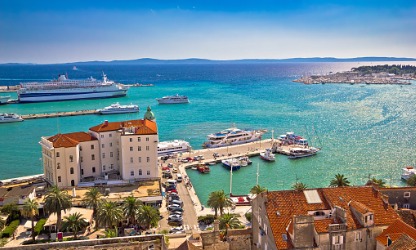
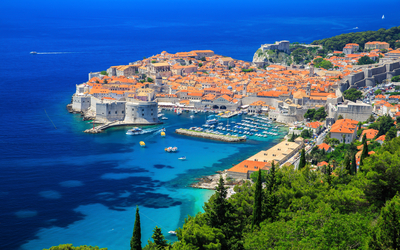
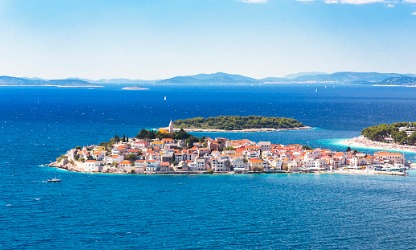
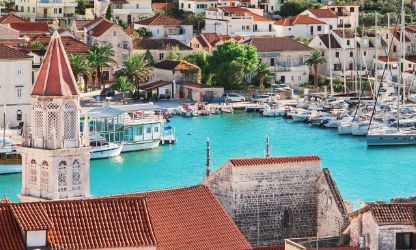
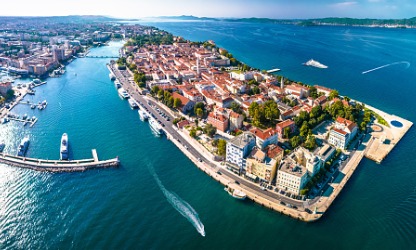
Discover the unparalleled beauty of the Croatian coast with our exclusive yacht charter service. From picturesque fishing villages to vibrant coastal cities, Croatia offers a variety of destinations waiting to be explored. Our top-notch sailing yachts are ready for your unforgettable sailing adventure, whether on an elegant sailboat or a luxurious motorboat. Experience the freedom of the sea and the fascinating history along the Adriatic coast with our premium yacht charter in Croatia. Hire a yacht in Croatia-Hire a boat from Split-Discover Croatia with a catamaran charter
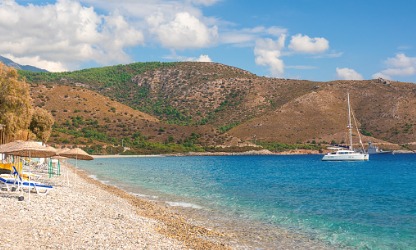
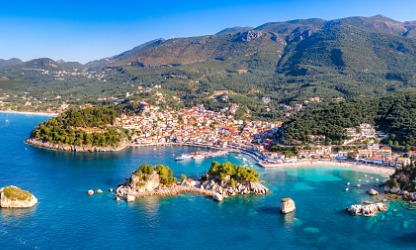
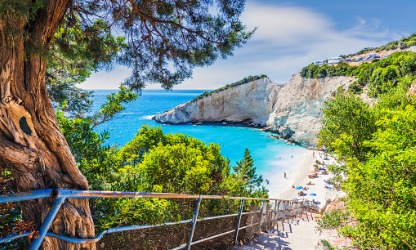
Experience the ultimate sailing adventure with our yacht charter service in Greece. Dive into the turquoise waters of the Aegean and discover the countless islands and bays that this fascinating country has to offer. From luxurious catamarans to classic sailing ships, our fleet of high-quality luxury yachts is ready for you. Enjoy unforgettable moments on board as you experience the beauty and charm of Greece from the water.-Request a yacht charter in Greece -Hire a catamaran and explore Greece
Your dream holiday begins with the organisation of your yacht charter and consists of finding the perfect offer for you, whether motor yacht, sailing yacht, catamaran or gulet, we offer you a large selection that meets your wishes and ideas. Discover your dream yacht for yourself on our portal! We will also be happy to advise you and recommend the ideal yacht charter for your needs. If the yacht of your dreams is not listed on the website, we also have other alternative offers. Due to the large number of sailing yachts, motorboats and catamarans, we can only offer a fraction of the charter yachts we offer online.
In order to find the ideal yacht for you, we only need the most important factors such as the size of your travel group, your approximate budget, your preferred destination and the desired travel time. We will then send you a suitable selection of yacht charters and fulfill your wishes so that you can embark on your dream trip. Enjoy unforgettable experiences on your luxury yacht charter holiday, tailor-made for you at Best Choice Yachting.
At Best Choice Yachting - Yachtvermietung, our goal is to exceed our customers' expectations. The experiences of our delighted customers last a lifetime. You are welcome to read some of our customers' reviews. Yachts are our passion and we have made this passion our job. That is why we are convinced that we can offer you the best luxury yacht charter experience in various countries.





 United Arab Emirates
 Spain
Spain France
 Greece
 Croatia
 Italy
Italy Monaco
 Turkey
 Montenegro