The draft of a yacht describes the vertical distance between the waterline and the lowest point of the hull. It indicates how deeply a vessel sits in the water and how much depth is required to navigate safely. This measurement is essential for choosing routes, approaching harbors and entering shallow bays.
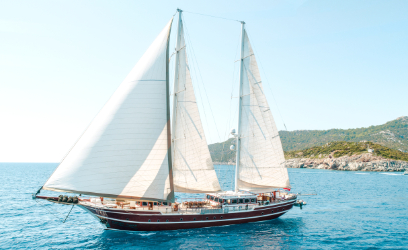
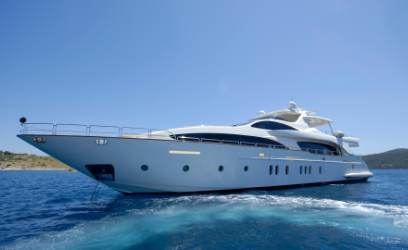
A yacht with a deep draft needs more water beneath the hull. This is typical for sailing yachts with a fixed keel or larger motor yachts. Catamarans and flat bottom boats usually have a much shallower draft, which allows them to explore coastal lagoons and anchor closer to shore.
There are two main forms of draft that captains consider:
The draft plays an important role in several situations on board:
A yacht that sits too deep risks touching the sea floor. This can cause damage to the hull, the propeller or the keel, which is why captains rely on charts, depth sounders and local knowledge to assess safe water depth.
Typical draft values differ between boat types:
The draft also influences how a yacht behaves at sea. A vessel with a deeper keel feels more stable in waves, while yachts with shallow draft offer more flexibility in sheltered or shallow regions.
For guests on board, understanding the concept of draft makes route decisions easier to follow. It explains why a captain avoids certain bays, why depth checks are essential and why some waters are off limits even when they appear calm and inviting.
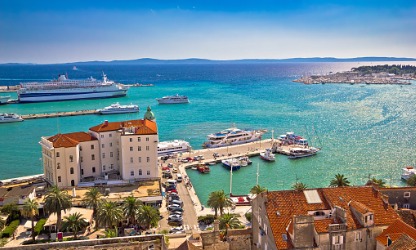
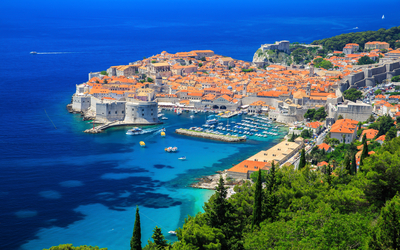
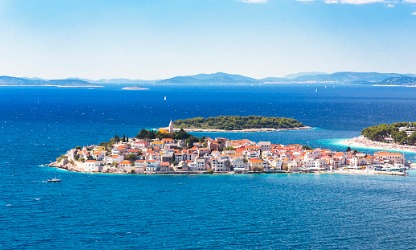
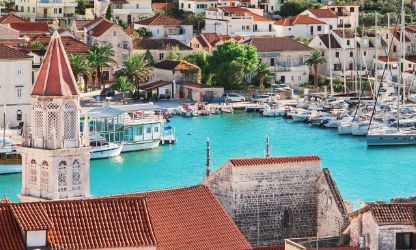
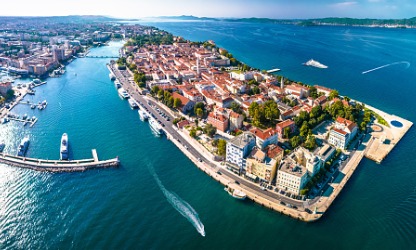
Discover the unparalleled beauty of the Croatian coast with our exclusive yacht charter service. From picturesque fishing villages to vibrant coastal cities, Croatia offers a variety of destinations waiting to be explored. Our top-notch sailing yachts are ready for your unforgettable sailing adventure, whether on an elegant sailboat or a luxurious motorboat. Experience the freedom of the sea and the fascinating history along the Adriatic coast with our premium yacht charter in Croatia. Hire a yacht in Croatia-Hire a boat from Split-Discover Croatia with a catamaran charter
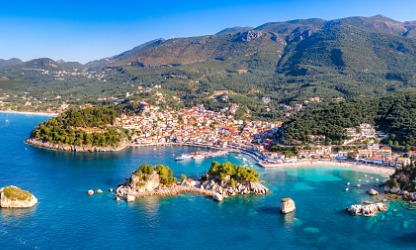
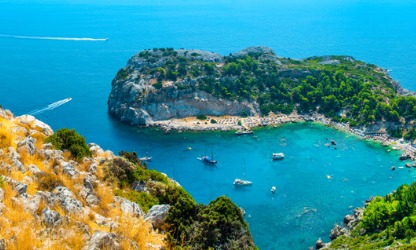
Experience the ultimate sailing adventure with our yacht charter service in Greece. Dive into the turquoise waters of the Aegean and discover the countless islands and bays that this fascinating country has to offer. From luxurious catamarans to classic sailing ships, our fleet of high-quality luxury yachts is ready for you. Enjoy unforgettable moments on board as you experience the beauty and charm of Greece from the water.-Request a yacht charter in Greece -Hire a catamaran and explore Greece
Your dream holiday begins with the organisation of your yacht charter and consists of finding the perfect offer for you, whether motor yacht, sailing yacht, catamaran or gulet, we offer you a large selection that meets your wishes and ideas. Discover your dream yacht for yourself on our portal! We will also be happy to advise you and recommend the ideal yacht charter for your needs. If the yacht of your dreams is not listed on the website, we also have other alternative offers. Due to the large number of sailing yachts, motorboats and catamarans, we can only offer a fraction of the charter yachts we offer online.
In order to find the ideal yacht for you, we only need the most important factors such as the size of your travel group, your approximate budget, your preferred destination and the desired travel time. We will then send you a suitable selection of yacht charters and fulfill your wishes so that you can embark on your dream trip. Enjoy unforgettable experiences on your luxury yacht charter holiday, tailor-made for you at Best Choice Yachting.
At Best Choice Yachting - Yachtvermietung, our goal is to exceed our customers' expectations. The experiences of our delighted customers last a lifetime. You are welcome to read some of our customers' reviews. Yachts are our passion and we have made this passion our job. That is why we are convinced that we can offer you the best luxury yacht charter experience in various countries.







 United Arab Emirates
 Spain
Spain France
 Greece
 Croatia
 Italy
Italy Monaco
 Turkey
 Montenegro