Anchoring and mooring are two common ways to secure a yacht, but they work in very different ways. Understanding the difference helps guests know why the skipper chooses one method over the other in different bays and harbours.
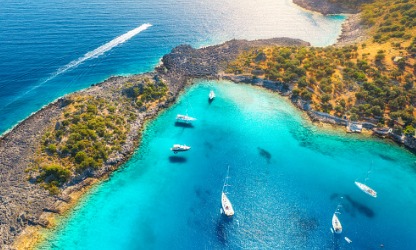
Anchoring means dropping the yacht’s anchor directly onto the seabed. The anchor digs into sand or mud and the weight of the chain creates a secure hold. Anchoring gives the yacht complete independence because it does not rely on shore infrastructure. It is commonly used in quiet bays, sheltered coves and natural anchor spots where there are no fixed mooring systems.
Mooring means attaching the yacht to a fixed point that is already installed in the water. This can be a mooring buoy, a permanent block secured to the seabed or a line provided by a marina. Instead of using its own anchor, the yacht connects to the fixed system with a line or hook. Mooring is often provided in popular bays and protected areas to reduce damage to the seabed and keep boats organised.
How anchoring works:
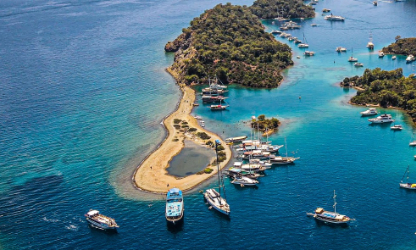
When anchoring, the skipper looks for a sandy area where the anchor can hold. The anchor is lowered carefully and enough chain is released to create a safe angle. Once the anchor is set, the yacht swings naturally with wind and current. Anchoring offers privacy and freedom, but requires attention to depth, wind and the surrounding area.
How mooring works:
When mooring to a buoy or fixed line, the skipper approaches slowly and the crew secures the yacht to the attachment point. Moorings are often safer for the environment because they prevent anchors from damaging seagrass or coral. They also provide predictable spacing between yachts, making busy bays more organised.
When each method is used:
For guests, the difference is simple. Anchoring gives freedom and flexibility, while mooring offers convenience and environmental protection. Both methods ensure that the yacht stays safely in place during a relaxed and comfortable stop.
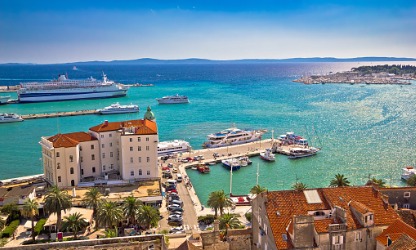
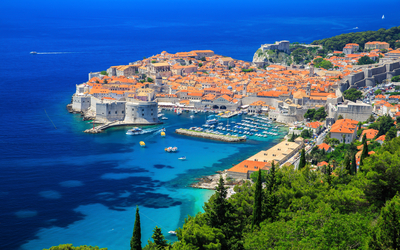
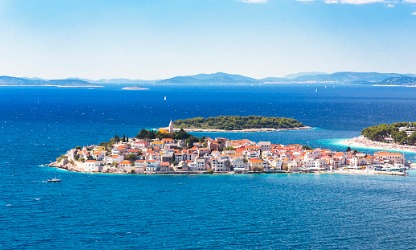
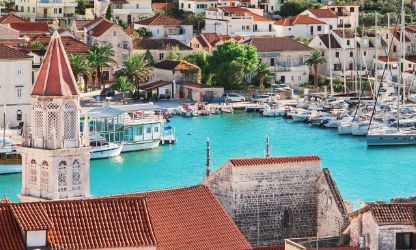
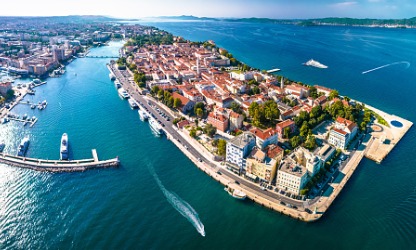
Discover the unparalleled beauty of the Croatian coast with our exclusive yacht charter service. From picturesque fishing villages to vibrant coastal cities, Croatia offers a variety of destinations waiting to be explored. Our top-notch sailing yachts are ready for your unforgettable sailing adventure, whether on an elegant sailboat or a luxurious motorboat. Experience the freedom of the sea and the fascinating history along the Adriatic coast with our premium yacht charter in Croatia. Hire a yacht in Croatia-Hire a boat from Split-Discover Croatia with a catamaran charter
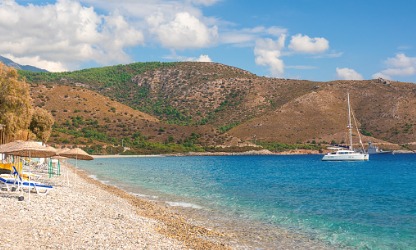
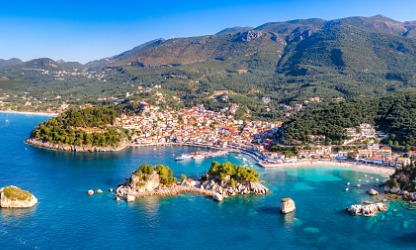
Experience the ultimate sailing adventure with our yacht charter service in Greece. Dive into the turquoise waters of the Aegean and discover the countless islands and bays that this fascinating country has to offer. From luxurious catamarans to classic sailing ships, our fleet of high-quality luxury yachts is ready for you. Enjoy unforgettable moments on board as you experience the beauty and charm of Greece from the water.-Request a yacht charter in Greece -Hire a catamaran and explore Greece
Your dream holiday begins with the organisation of your yacht charter and consists of finding the perfect offer for you, whether motor yacht, sailing yacht, catamaran or gulet, we offer you a large selection that meets your wishes and ideas. Discover your dream yacht for yourself on our portal! We will also be happy to advise you and recommend the ideal yacht charter for your needs. If the yacht of your dreams is not listed on the website, we also have other alternative offers. Due to the large number of sailing yachts, motorboats and catamarans, we can only offer a fraction of the charter yachts we offer online.
In order to find the ideal yacht for you, we only need the most important factors such as the size of your travel group, your approximate budget, your preferred destination and the desired travel time. We will then send you a suitable selection of yacht charters and fulfill your wishes so that you can embark on your dream trip. Enjoy unforgettable experiences on your luxury yacht charter holiday, tailor-made for you at Best Choice Yachting.
At Best Choice Yachting - Yachtvermietung, our goal is to exceed our customers' expectations. The experiences of our delighted customers last a lifetime. You are welcome to read some of our customers' reviews. Yachts are our passion and we have made this passion our job. That is why we are convinced that we can offer you the best luxury yacht charter experience in various countries.





 United Arab Emirates
 Spain
Spain France
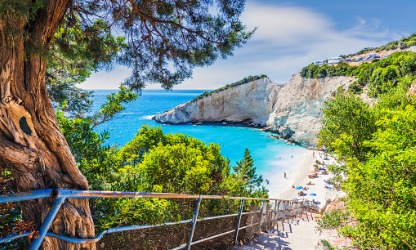
 Greece
 Croatia
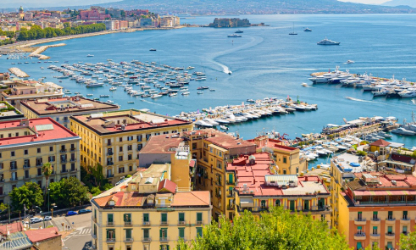
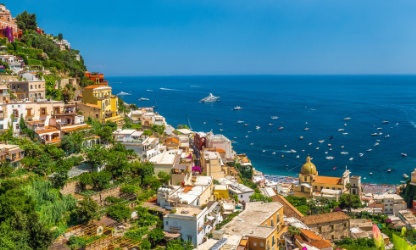
 Italy
Italy Monaco
 Turkey
 Montenegro