The ideal wind for a comfortable yacht charter depends on the yacht type, the skipper’s experience and the plans for the day. Most charter regions follow well known ranges from practical seamanship and the Beaufort scale.
Motor yachts
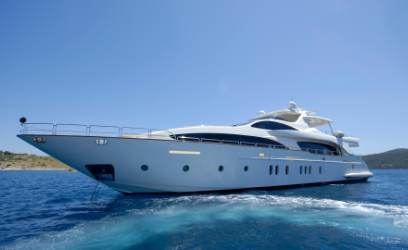
Motor yachts feel most comfortable in light to moderate wind, usually between 5 and 15 knots. In this range, the sea stays calm to gently moving, waves remain small and the ride feels smooth and stable. It is the perfect wind for relaxed cruising, island hopping and quiet swimming stops.
Sailing yachts
Sailing yachts enjoy slightly stronger wind.
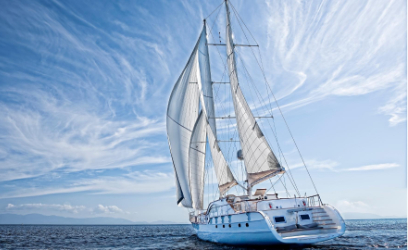
A range of 10 to 20 knots gives the sails enough power to create a steady and enjoyable ride. The yacht holds its course well and guests feel the classic sensation of sailing without excessive heeling or pressure on the helm. Many consider this the ideal balance between movement and comfort.
Above 20 knots
Once the wind rises above 20 knots, the sea becomes noticeably more energetic. Sailing yachts heel more, waves grow larger and there is more spray on deck. Sensitive guests may find these conditions less comfortable, while experienced sailors still enjoy the performance.
Above 25 knots
At 25 knots and above, conditions become demanding. Skippers reduce sail area, maneuvers require more precision and motor cruising becomes choppy. Seasickness becomes more likely and safety procedures become more important. In such situations, the skipper often recommends staying inside a protected bay rather than venturing into open water.
The importance of wind direction
Wind strength alone does not determine comfort. Direction plays a major role.
A wind blowing from land can flatten the sea, while a wind blowing from the sea toward the coast builds higher waves. Gusty winds can feel unpredictable, whereas steady winds are easier to manage for both motor and sailing yachts.
For guests, “ideal wind” is the balance between comfort, safety and the character of the yacht. What the skipper considers ideal is based on experience, weather knowledge and how the yacht responds to different conditions.
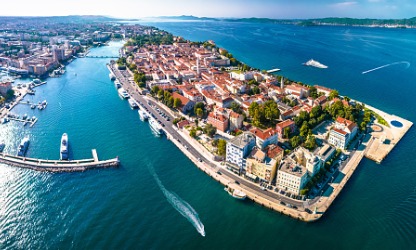
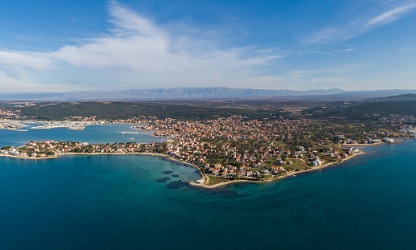
Discover the unparalleled beauty of the Croatian coast with our exclusive yacht charter service. From picturesque fishing villages to vibrant coastal cities, Croatia offers a variety of destinations waiting to be explored. Our top-notch sailing yachts are ready for your unforgettable sailing adventure, whether on an elegant sailboat or a luxurious motorboat. Experience the freedom of the sea and the fascinating history along the Adriatic coast with our premium yacht charter in Croatia. Hire a yacht in Croatia-Hire a boat from Split-Discover Croatia with a catamaran charter
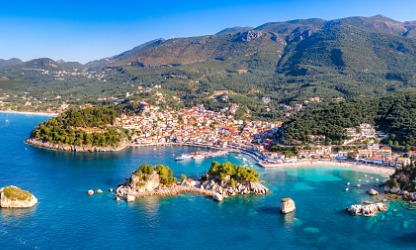
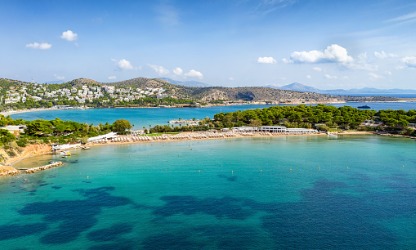
Experience the ultimate sailing adventure with our yacht charter service in Greece. Dive into the turquoise waters of the Aegean and discover the countless islands and bays that this fascinating country has to offer. From luxurious catamarans to classic sailing ships, our fleet of high-quality luxury yachts is ready for you. Enjoy unforgettable moments on board as you experience the beauty and charm of Greece from the water.-Request a yacht charter in Greece -Hire a catamaran and explore Greece
Your dream holiday begins with the organisation of your yacht charter and consists of finding the perfect offer for you, whether motor yacht, sailing yacht, catamaran or gulet, we offer you a large selection that meets your wishes and ideas. Discover your dream yacht for yourself on our portal! We will also be happy to advise you and recommend the ideal yacht charter for your needs. If the yacht of your dreams is not listed on the website, we also have other alternative offers. Due to the large number of sailing yachts, motorboats and catamarans, we can only offer a fraction of the charter yachts we offer online.
In order to find the ideal yacht for you, we only need the most important factors such as the size of your travel group, your approximate budget, your preferred destination and the desired travel time. We will then send you a suitable selection of yacht charters and fulfill your wishes so that you can embark on your dream trip. Enjoy unforgettable experiences on your luxury yacht charter holiday, tailor-made for you at Best Choice Yachting.
At Best Choice Yachting - Yachtvermietung, our goal is to exceed our customers' expectations. The experiences of our delighted customers last a lifetime. You are welcome to read some of our customers' reviews. Yachts are our passion and we have made this passion our job. That is why we are convinced that we can offer you the best luxury yacht charter experience in various countries.








 United Arab Emirates
 Spain
Spain France
 Greece
 Croatia
 Italy
Italy Monaco
 Turkey
 Montenegro