Using a drone during a yacht charter is possible and often produces spectacular footage of the yacht, coastline and clear water. However, drone flights at sea come with specific rules, technical risks and safety considerations. Guests should understand the challenges before launching a drone from a moving boat.
Drone regulations differ by country. Many European destinations follow EASA guidelines, which require visual line of sight, height limits and a safe distance from people and buildings. Some regions have additional restrictions near airports, military zones or protected coastlines. Before flying, guests should check local laws and coordinate with the skipper, as the responsibility for safety on board remains with the crew.
Flying a drone over the sea is more demanding than flying over land. Several factors can affect stability, sensors and GPS accuracy:
A common risk is the automatic return to home function. If activated, the drone attempts to fly back to its original takeoff point. When the yacht has moved with wind or current, the drone may return to an empty patch of sea and land in the water. Pilots must always monitor the yacht’s movement and avoid automated return modes.
Launching and landing on a moving yacht requires caution. The deck moves with waves, the wind can shift quickly and there are antennas, sails and rigging lines in the way. The safest approach is to fly only when the yacht is anchored and conditions are calm. The crew can help create a clear area so the drone can take off and land without obstacles.
A yacht is a private environment, and other boats are private spaces too. Guests should avoid filming people without permission. Many marinas and beaches also restrict drone use to maintain privacy and safety.
Drones can capture breathtaking moments from above, but only when flown with awareness, respect and a solid understanding of the technical limitations at sea. With proper preparation and communication, guests can enjoy impressive footage without risking damage to the drone, the yacht or the safety of those on board.
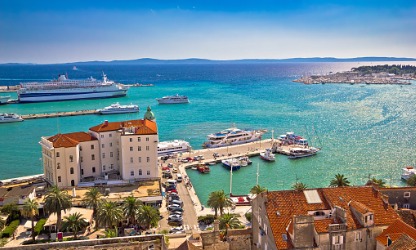
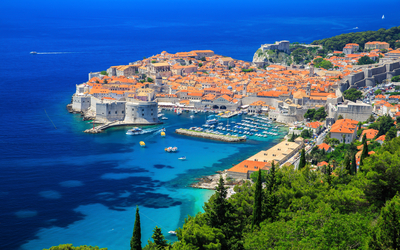
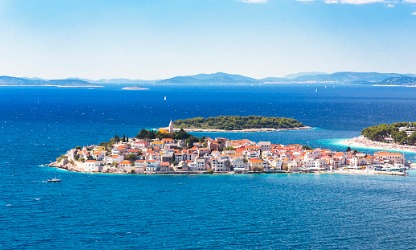
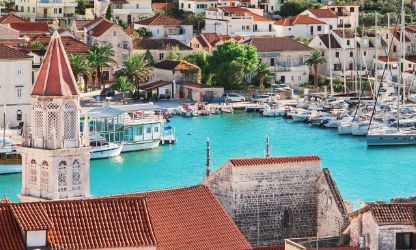
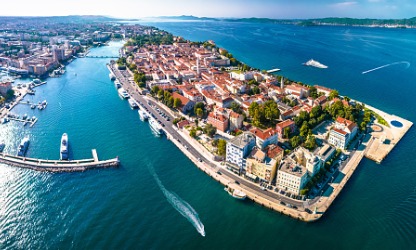
Discover the unparalleled beauty of the Croatian coast with our exclusive yacht charter service. From picturesque fishing villages to vibrant coastal cities, Croatia offers a variety of destinations waiting to be explored. Our top-notch sailing yachts are ready for your unforgettable sailing adventure, whether on an elegant sailboat or a luxurious motorboat. Experience the freedom of the sea and the fascinating history along the Adriatic coast with our premium yacht charter in Croatia. Hire a yacht in Croatia-Hire a boat from Split-Discover Croatia with a catamaran charter
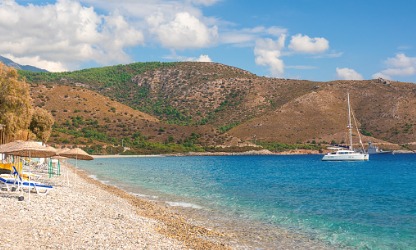
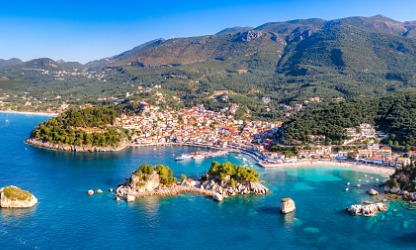
Experience the ultimate sailing adventure with our yacht charter service in Greece. Dive into the turquoise waters of the Aegean and discover the countless islands and bays that this fascinating country has to offer. From luxurious catamarans to classic sailing ships, our fleet of high-quality luxury yachts is ready for you. Enjoy unforgettable moments on board as you experience the beauty and charm of Greece from the water.-Request a yacht charter in Greece -Hire a catamaran and explore Greece
Your dream holiday begins with the organisation of your yacht charter and consists of finding the perfect offer for you, whether motor yacht, sailing yacht, catamaran or gulet, we offer you a large selection that meets your wishes and ideas. Discover your dream yacht for yourself on our portal! We will also be happy to advise you and recommend the ideal yacht charter for your needs. If the yacht of your dreams is not listed on the website, we also have other alternative offers. Due to the large number of sailing yachts, motorboats and catamarans, we can only offer a fraction of the charter yachts we offer online.
In order to find the ideal yacht for you, we only need the most important factors such as the size of your travel group, your approximate budget, your preferred destination and the desired travel time. We will then send you a suitable selection of yacht charters and fulfill your wishes so that you can embark on your dream trip. Enjoy unforgettable experiences on your luxury yacht charter holiday, tailor-made for you at Best Choice Yachting.
At Best Choice Yachting - Yachtvermietung, our goal is to exceed our customers' expectations. The experiences of our delighted customers last a lifetime. You are welcome to read some of our customers' reviews. Yachts are our passion and we have made this passion our job. That is why we are convinced that we can offer you the best luxury yacht charter experience in various countries.





 United Arab Emirates
 Spain
Spain France
 Greece
 Croatia
 Italy
Italy Monaco
 Turkey
 Montenegro