Waves often feel calming when you are out on the sea because their rhythm, movement and sound create a natural form of relaxation. Many guests notice that they feel more peaceful on the water, and this effect has both physical and psychological reasons.
Rhythmic movement of the sea:
Waves move in slow, predictable patterns. This gentle rhythm synchronises with the body’s natural functions, such as breathing and heart rate. The steady rise and fall of the yacht creates a sensation similar to rocking, which many people associate with comfort and safety.
Natural sounds that reduce tension:
The sound of waves is soft, repetitive and free of sudden changes. Humans naturally relax when exposed to stable background sounds. The ocean’s noise reduces overstimulation and helps the brain shift into a calmer state. This effect is similar to listening to white noise or rainfall.
Visual calmness:
Looking at the horizon and open water reduces mental clutter. Wide, empty spaces give the eyes and brain something simple to focus on. Without the constant visual input of buildings, traffic or screens, the mind becomes quieter and more balanced.
Connection to nature:
Being surrounded by water creates a strong sense of grounding. The sea moves steadily but without hurry, which influences the way we experience time and energy. Many guests describe a feeling of detachment from stress as soon as the yacht leaves the harbour.
Reduced sensory overload:
Life at sea removes many of the sounds, obligations and fast movements of daily life. With fewer sources of pressure, the body naturally shifts into a more relaxed mode. The combination of fresh air, movement, natural light and open views supports this effect.
A universal calming effect:
These factors together explain why waves feel so soothing. The sea’s rhythm, sound and vastness create an environment that invites calmness and deep relaxation. For guests on a yacht, this atmosphere often becomes one of the most memorable parts of the journey.
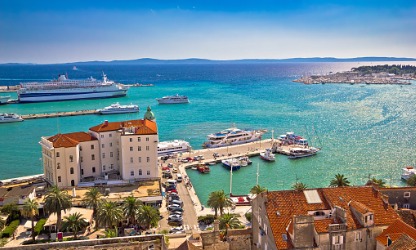
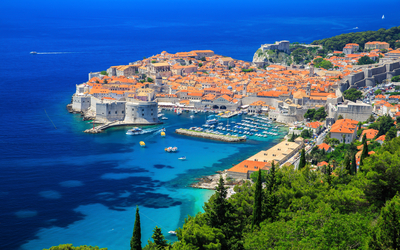
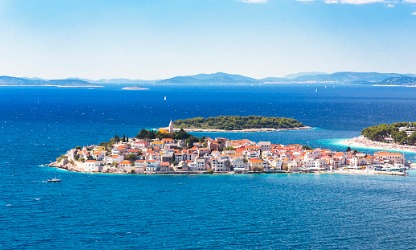
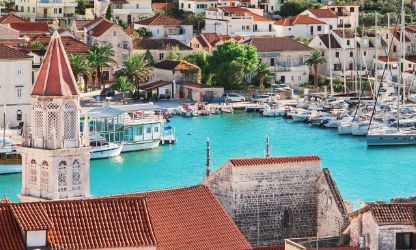
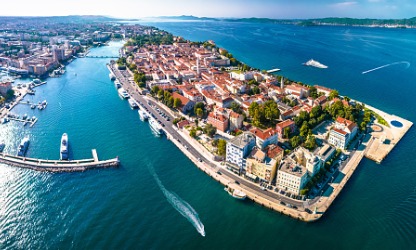
Discover the unparalleled beauty of the Croatian coast with our exclusive yacht charter service. From picturesque fishing villages to vibrant coastal cities, Croatia offers a variety of destinations waiting to be explored. Our top-notch sailing yachts are ready for your unforgettable sailing adventure, whether on an elegant sailboat or a luxurious motorboat. Experience the freedom of the sea and the fascinating history along the Adriatic coast with our premium yacht charter in Croatia. Hire a yacht in Croatia-Hire a boat from Split-Discover Croatia with a catamaran charter
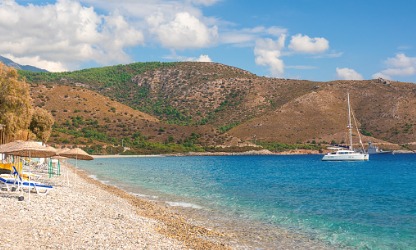
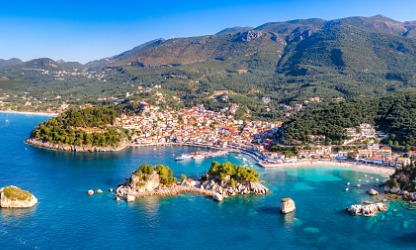
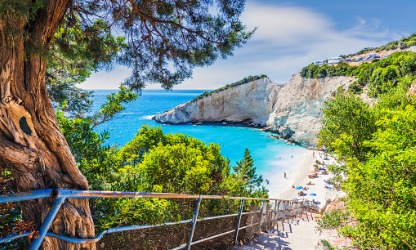
Experience the ultimate sailing adventure with our yacht charter service in Greece. Dive into the turquoise waters of the Aegean and discover the countless islands and bays that this fascinating country has to offer. From luxurious catamarans to classic sailing ships, our fleet of high-quality luxury yachts is ready for you. Enjoy unforgettable moments on board as you experience the beauty and charm of Greece from the water.-Request a yacht charter in Greece -Hire a catamaran and explore Greece
Your dream holiday begins with the organisation of your yacht charter and consists of finding the perfect offer for you, whether motor yacht, sailing yacht, catamaran or gulet, we offer you a large selection that meets your wishes and ideas. Discover your dream yacht for yourself on our portal! We will also be happy to advise you and recommend the ideal yacht charter for your needs. If the yacht of your dreams is not listed on the website, we also have other alternative offers. Due to the large number of sailing yachts, motorboats and catamarans, we can only offer a fraction of the charter yachts we offer online.
In order to find the ideal yacht for you, we only need the most important factors such as the size of your travel group, your approximate budget, your preferred destination and the desired travel time. We will then send you a suitable selection of yacht charters and fulfill your wishes so that you can embark on your dream trip. Enjoy unforgettable experiences on your luxury yacht charter holiday, tailor-made for you at Best Choice Yachting.
At Best Choice Yachting - Yachtvermietung, our goal is to exceed our customers' expectations. The experiences of our delighted customers last a lifetime. You are welcome to read some of our customers' reviews. Yachts are our passion and we have made this passion our job. That is why we are convinced that we can offer you the best luxury yacht charter experience in various countries.





 United Arab Emirates
 Spain
Spain France
 Greece
 Croatia
 Italy
Italy Monaco
 Turkey
 Montenegro