Mobile phone reception at sea depends mainly on how far the yacht is from the coastline. Mobile networks are designed for land coverage, and their signals only reach a limited distance over the water. Near the coast, reception is often reliable, but the farther the yacht travels into open sea, the weaker the signal becomes until it eventually drops completely.
In most regions, mobile signals reach between five and twenty kilometres offshore. When cruising close to land, such as between islands or along the coastline, guests can usually make calls, send messages and use mobile data without difficulty. As soon as the yacht moves into open water where no land based antennas are nearby, the signal fades quickly because the mobile network is not built to cover large sea areas.
Reception weakens gradually as the yacht moves away from the coast. It may appear and disappear several times when travelling between bays or island groups. Bays surrounded by high cliffs can block the signal even when the distance to land is short. In open water, the mobile network normally drops entirely.
Many yachts offer additional systems that allow communication even far from land.
Starlink
A growing number of yachts use Starlink. It provides high speed internet through satellites in low Earth orbit and works even in remote ocean areas. For many guests it is the most powerful option.
Satellite phones
These devices work independently of mobile networks and connect directly to global satellite systems. They are reliable but can be expensive to use.
Marine VHF radio
Not used for private calls, but essential for maritime safety and communication with ports or nearby vessels. Radio remains functional even where mobile coverage does not exist.
Local SIM cards
In coastal regions such as Greece, Croatia or Turkey, a local SIM card may offer better coverage than roaming, but only close to the shore.
Being at sea does not always mean being offline, yet mobile reception is not guaranteed everywhere. Many guests enjoy the digital break, while others use onboard satellite systems to stay reachable at any time. Modern yachting combines both worlds: the calm freedom of the open sea and the option to stay online whenever needed.
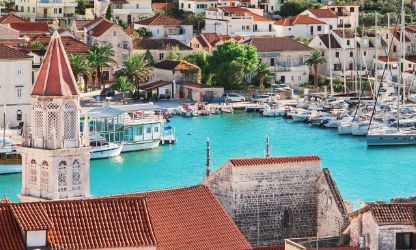
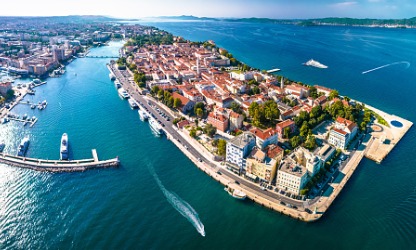
Discover the unparalleled beauty of the Croatian coast with our exclusive yacht charter service. From picturesque fishing villages to vibrant coastal cities, Croatia offers a variety of destinations waiting to be explored. Our top-notch sailing yachts are ready for your unforgettable sailing adventure, whether on an elegant sailboat or a luxurious motorboat. Experience the freedom of the sea and the fascinating history along the Adriatic coast with our premium yacht charter in Croatia. Hire a yacht in Croatia-Hire a boat from Split-Discover Croatia with a catamaran charter
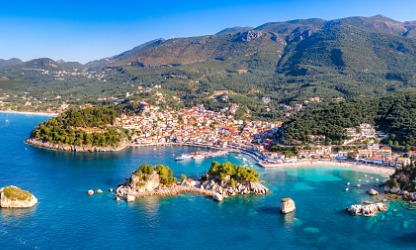
Experience the ultimate sailing adventure with our yacht charter service in Greece. Dive into the turquoise waters of the Aegean and discover the countless islands and bays that this fascinating country has to offer. From luxurious catamarans to classic sailing ships, our fleet of high-quality luxury yachts is ready for you. Enjoy unforgettable moments on board as you experience the beauty and charm of Greece from the water.-Request a yacht charter in Greece -Hire a catamaran and explore Greece
Your dream holiday begins with the organisation of your yacht charter and consists of finding the perfect offer for you, whether motor yacht, sailing yacht, catamaran or gulet, we offer you a large selection that meets your wishes and ideas. Discover your dream yacht for yourself on our portal! We will also be happy to advise you and recommend the ideal yacht charter for your needs. If the yacht of your dreams is not listed on the website, we also have other alternative offers. Due to the large number of sailing yachts, motorboats and catamarans, we can only offer a fraction of the charter yachts we offer online.
In order to find the ideal yacht for you, we only need the most important factors such as the size of your travel group, your approximate budget, your preferred destination and the desired travel time. We will then send you a suitable selection of yacht charters and fulfill your wishes so that you can embark on your dream trip. Enjoy unforgettable experiences on your luxury yacht charter holiday, tailor-made for you at Best Choice Yachting.
At Best Choice Yachting - Yachtvermietung, our goal is to exceed our customers' expectations. The experiences of our delighted customers last a lifetime. You are welcome to read some of our customers' reviews. Yachts are our passion and we have made this passion our job. That is why we are convinced that we can offer you the best luxury yacht charter experience in various countries.






 United Arab Emirates
 Spain
Spain France
 Greece
 Croatia
 Italy
Italy Monaco
 Turkey
 Montenegro