A winch is a simple yet powerful mechanical tool used on many sailing yachts to help handle ropes that carry significant tension. It multiplies the force applied by hand, making it possible to tighten or ease a line without excessive physical effort. Even people with little strength can guide a loaded rope smoothly, which is why the winch is considered an essential part of modern sail handling.
A winch usually consists of a round drum on which a line is wrapped. When the handle is turned, the rotation of the drum increases the force applied to the rope. This mechanical advantage works similarly to a lever, allowing a person to move loads that would otherwise require far more strength. With steady and controlled movements, a line can be pulled in or eased gradually, even when strong wind conditions place heavy pressure on the sails.
The winch makes many sail adjustments possible. When the wind changes or when a sail needs to be trimmed, the rope can be wrapped around the drum and tensioned with slow, deliberate turns. The drum holds the line securely as it rotates, which gives the operator control without the rope slipping back. This sense of precision is important because small adjustments can influence how smoothly the yacht moves through the water.
Modern yachts often carry several winches placed on both sides of the cockpit. This allows the crew to handle lines efficiently regardless of the direction the boat is sailing. Some winches are self tailing, which means the loose end of the rope is held in a small clamp on top of the drum, so the person operating it does not need to keep the line in their hand while turning. Larger yachts may even have electric winches that operate at the push of a button.
Using a winch requires attention and an understanding of how the rope should be guided. Turning too quickly can create sudden movements, and incorrect rope placement may lead to tangles. Safety is also important, which means keeping fingers, loose hair and clothing away from the drum while it rotates.
Understanding what a winch does helps explain why sailing involves both technique and awareness. A small movement of the handle can transfer significant force to the rope, making it easier to manage the energy of the wind. It is a practical tool that supports precise sail control and safe, measured adjustments on the water.
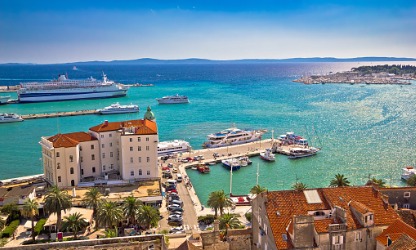
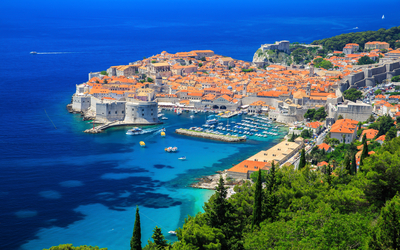
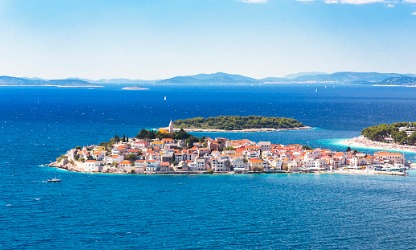
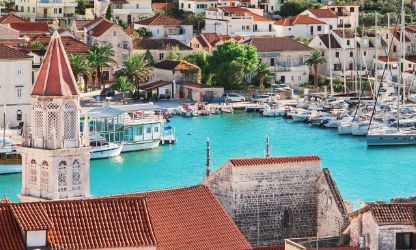
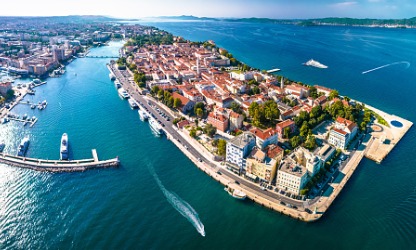
Discover the unparalleled beauty of the Croatian coast with our exclusive yacht charter service. From picturesque fishing villages to vibrant coastal cities, Croatia offers a variety of destinations waiting to be explored. Our top-notch sailing yachts are ready for your unforgettable sailing adventure, whether on an elegant sailboat or a luxurious motorboat. Experience the freedom of the sea and the fascinating history along the Adriatic coast with our premium yacht charter in Croatia. Hire a yacht in Croatia-Hire a boat from Split-Discover Croatia with a catamaran charter
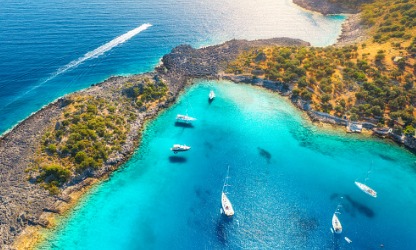
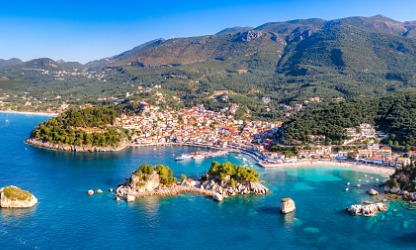
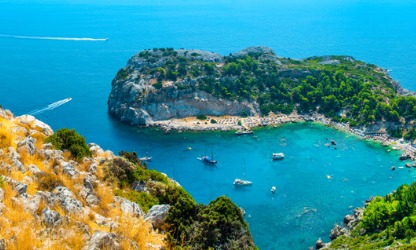
Experience the ultimate sailing adventure with our yacht charter service in Greece. Dive into the turquoise waters of the Aegean and discover the countless islands and bays that this fascinating country has to offer. From luxurious catamarans to classic sailing ships, our fleet of high-quality luxury yachts is ready for you. Enjoy unforgettable moments on board as you experience the beauty and charm of Greece from the water.-Request a yacht charter in Greece -Hire a catamaran and explore Greece
Your dream holiday begins with the organisation of your yacht charter and consists of finding the perfect offer for you, whether motor yacht, sailing yacht, catamaran or gulet, we offer you a large selection that meets your wishes and ideas. Discover your dream yacht for yourself on our portal! We will also be happy to advise you and recommend the ideal yacht charter for your needs. If the yacht of your dreams is not listed on the website, we also have other alternative offers. Due to the large number of sailing yachts, motorboats and catamarans, we can only offer a fraction of the charter yachts we offer online.
In order to find the ideal yacht for you, we only need the most important factors such as the size of your travel group, your approximate budget, your preferred destination and the desired travel time. We will then send you a suitable selection of yacht charters and fulfill your wishes so that you can embark on your dream trip. Enjoy unforgettable experiences on your luxury yacht charter holiday, tailor-made for you at Best Choice Yachting.
At Best Choice Yachting - Yachtvermietung, our goal is to exceed our customers' expectations. The experiences of our delighted customers last a lifetime. You are welcome to read some of our customers' reviews. Yachts are our passion and we have made this passion our job. That is why we are convinced that we can offer you the best luxury yacht charter experience in various countries.









 United Arab Emirates
 Spain
Spain France
 Greece
 Croatia
 Italy
Italy Monaco
 Turkey
 Montenegro